
Last updated November 2, 2026
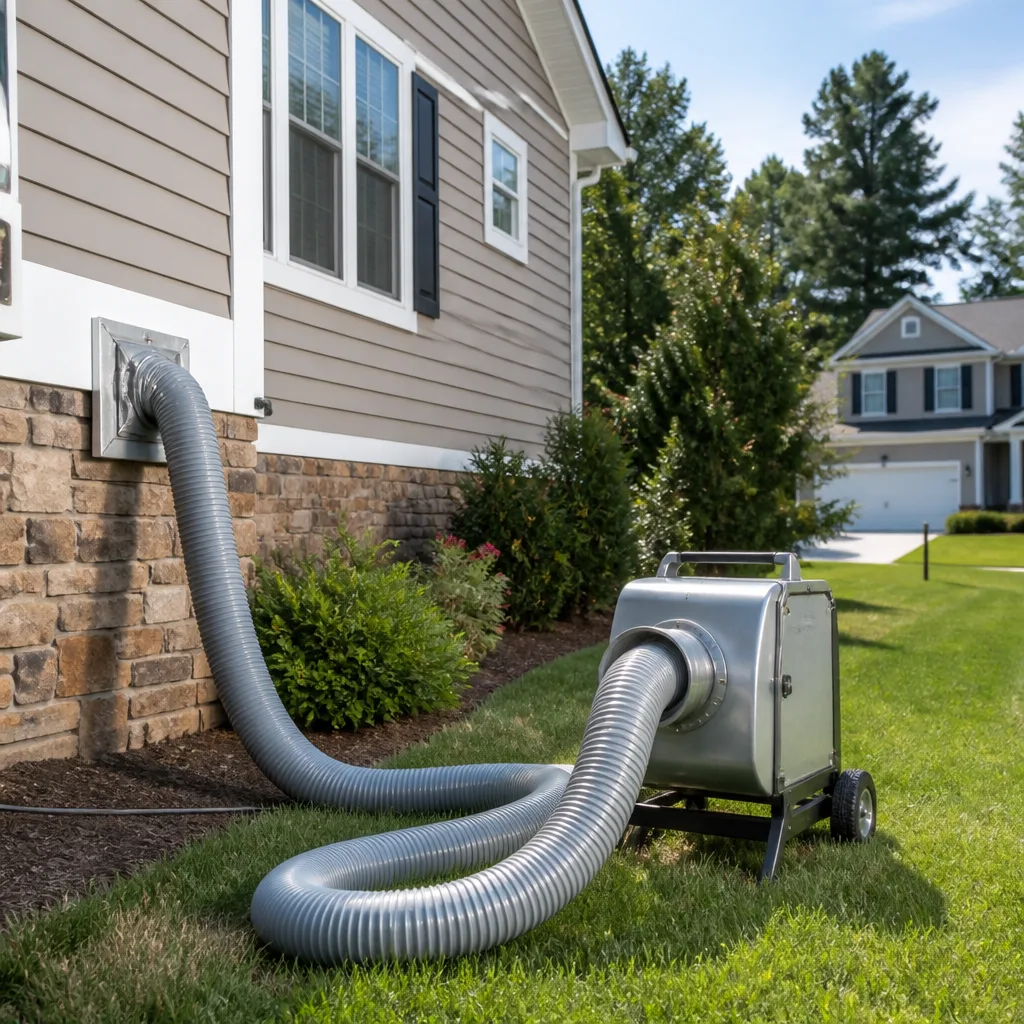 Whole-home duct cleaning
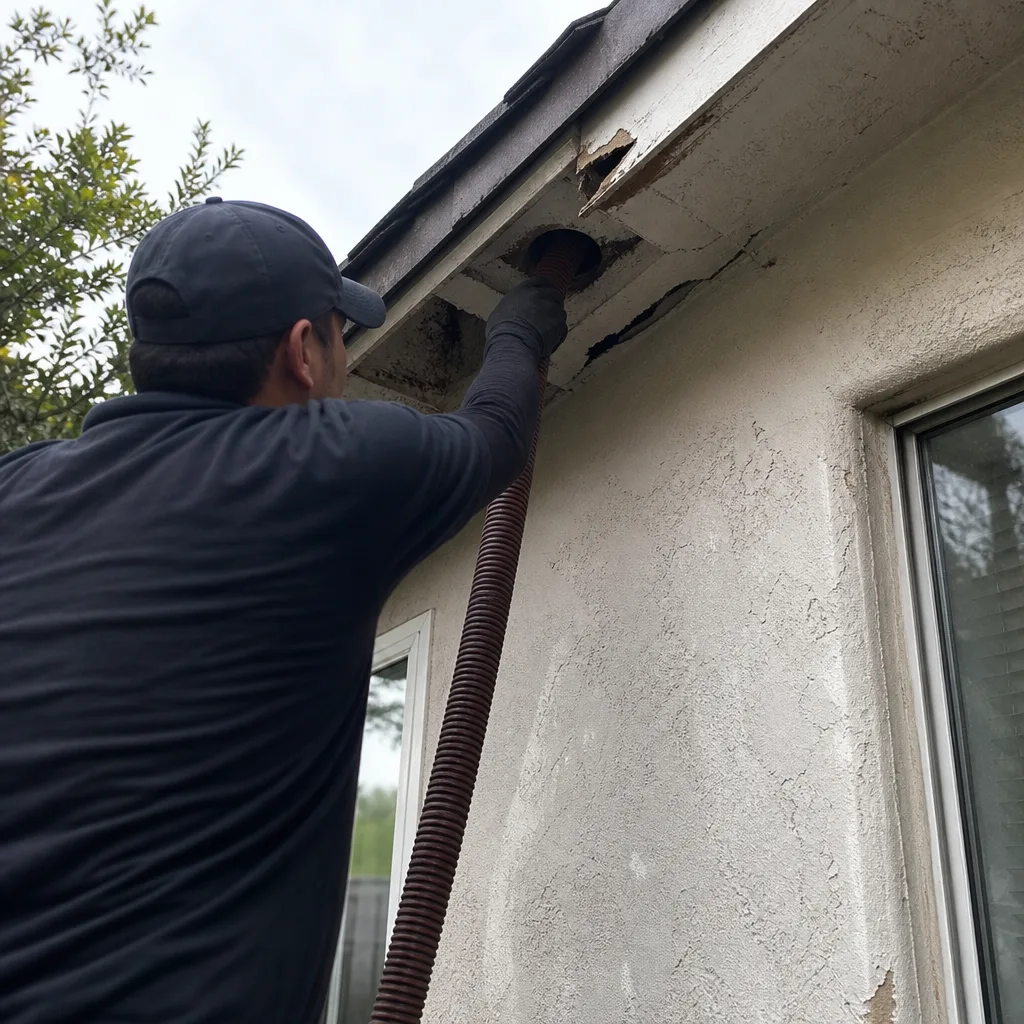
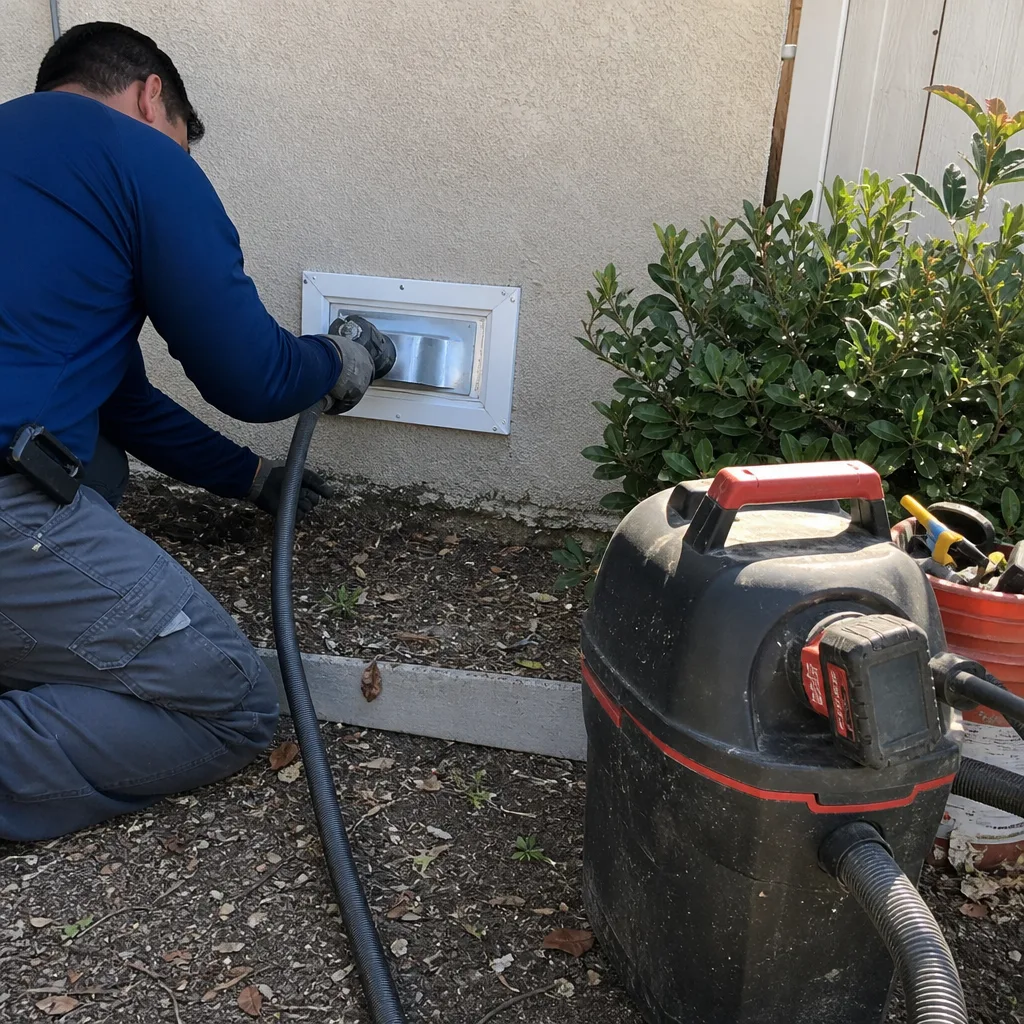
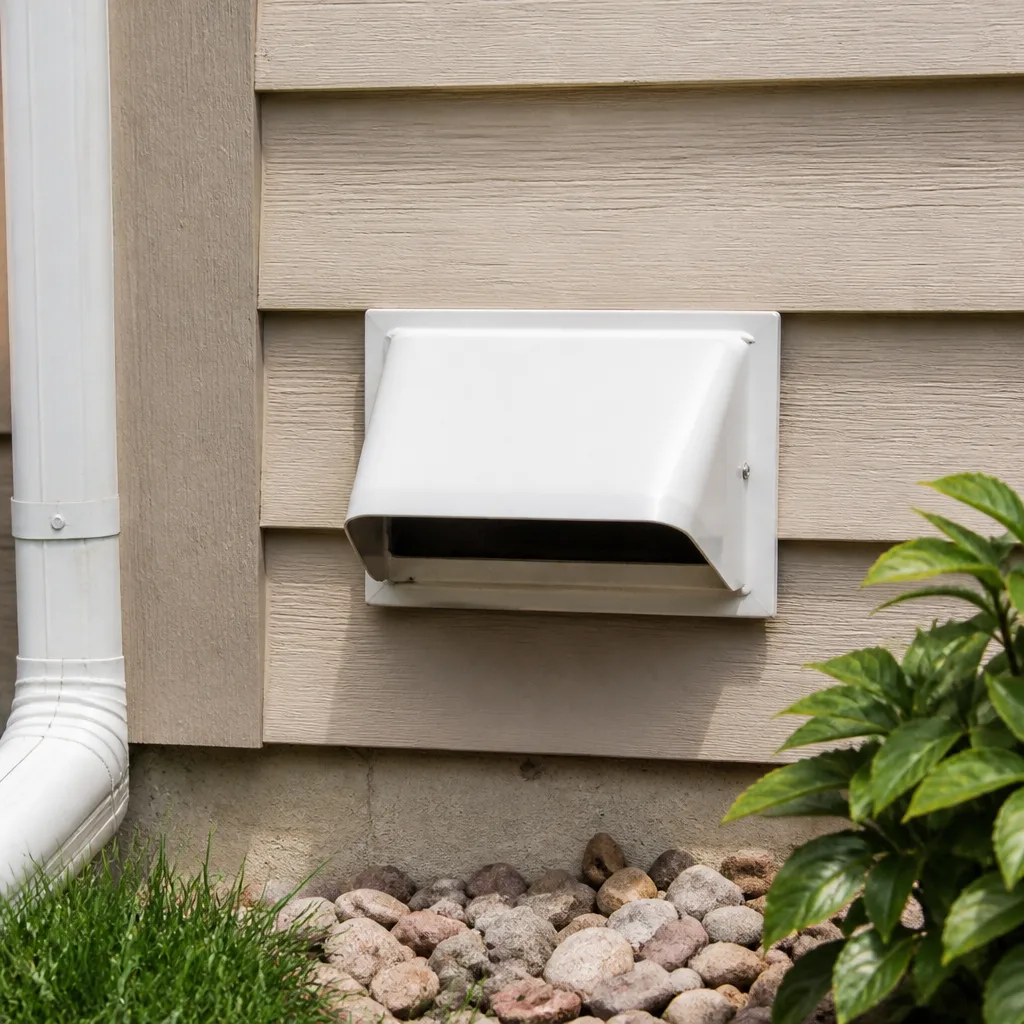 Dryer vent cleaning
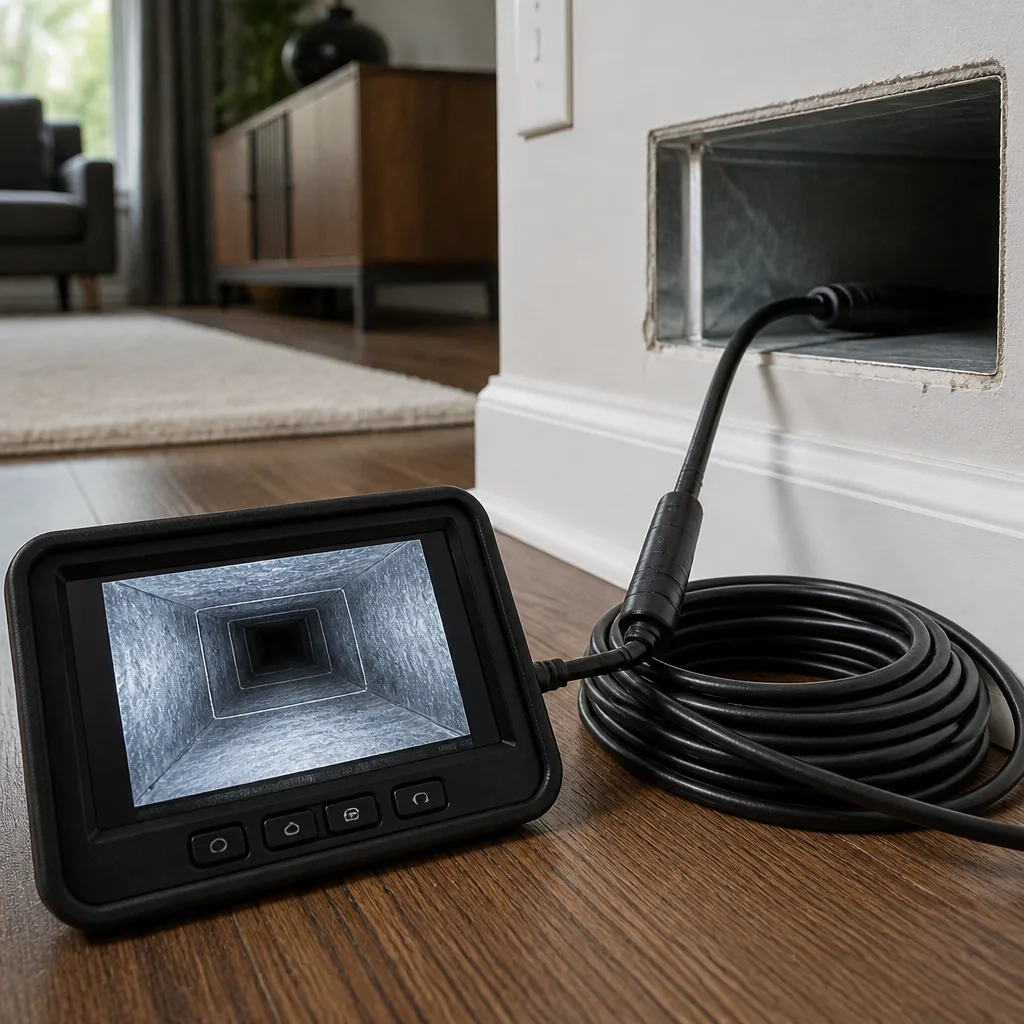 Camera inspection
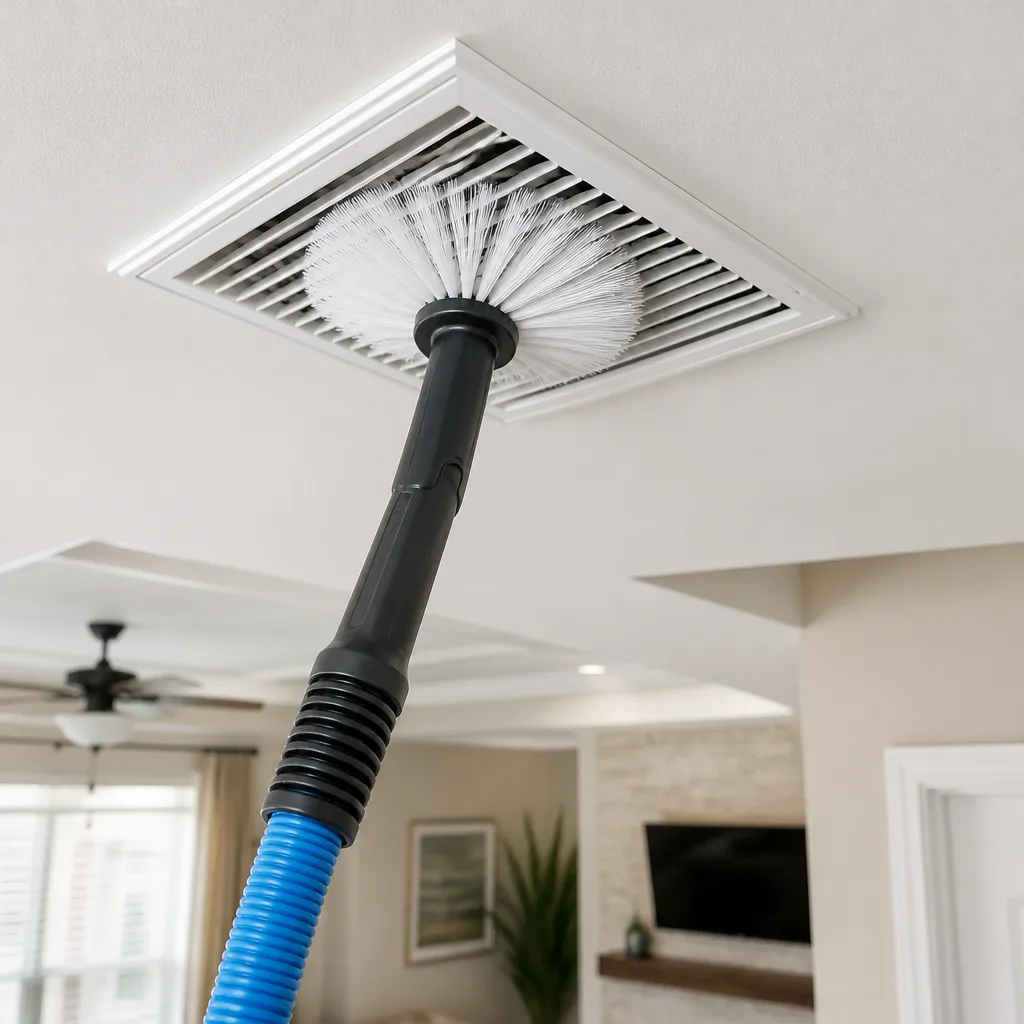 Sanitizing & deodorizing
Whole-system duct and dryer vent check with before-and-after photos - you see exactly what came out of your vents
That "$99 whole-house special" is a bait ad - the real number appears once they are in your hallway, or the "clean" is a shop-vac at the register. We photograph the inside of your ducts before and after instead.
Seasonal Air Duct Cleaning Care for Rancho Cucamonga: Year-Round Homeowner’s Guide
Here’s something that surprises most Rancho Cucamonga homeowners: your HVAC system doesn’t care what month the calendar says. It cares about what the air outside is doing. And in Rancho Cucamonga, the air spends October through December pushing fine dust through every microscopic gap in your return ducting during Santa Ana wind events, then sits stagnant through a mild winter before April hits and your AC kicks on for its first 10-hour day. Most people schedule one duct cleaning on an arbitrary date and call it done. What actually works is mapping your duct care to the specific stress cycles this valley throws at your system. This guide breaks down exactly when Rancho Cucamonga duct systems take the most abuse, what’s happening inside them during each season, and how to build a realistic maintenance cadence that matches the air you actually breathe.
Styles & brands we work with
- Whole-home duct cleaning
- Dryer vent cleaning
- Camera inspection
- Sanitizing & deodorizing
Quick Answer
In Rancho Cucamonga, the best time to schedule our Air Duct Cleaning services is late spring (April to May), before the AC system shifts into daily 8 to 12-hour runtimes that circulate whatever is sitting in the ductwork. The second critical window is after Santa Ana wind season (December to January), when sustained high-wind events have pushed fine particulate through return duct gaps and into the system. A realistic cleaning cadence for most Rancho Cucamonga homes is every two to three years, adjusted for wildfire smoke events, pets, or renovation work.
Table of Contents
- Pre-Summer (April-May): The Highest-Value Cleaning Window
- Santa Ana Wind Season (Oct-Dec): What Happens to Your Return Ducts
- Post-Wildfire Smoke Events: When Standard Cleaning Isn’t Enough
- Winter Heating Season: The Gas Furnace Startup Problem
- Building a 2-Year Cleaning Cadence for Rancho Cucamonga
- Signs Your Ducts Need Attention Between Scheduled Cleanings
- Common Mistakes to Avoid
- When to Call a Professional
- Frequently Asked Questions
- The Bottom Line
Pre-Summer (April-May): The Highest-Value Cleaning Window
The single most important maintenance decision you’ll make for your duct system this year happens before the first real heat wave. In Rancho Cucamonga, that means April through early May, before daytime temperatures settle into the 90s and your AC becomes a daily necessity rather than an occasional comfort.
Here’s why this window matters more than any other: once summer arrives, your air handler will pull air through the return ducts for 8 to 12 hours a day, every day, for roughly four to five consecutive months. That’s somewhere between 960 and 1,800 hours of continuous air circulation. If there’s a layer of fine dust, pet dander, or construction debris sitting in your supply ducts from the previous year, every one of those hours recirculates it through your living space. Your filter catches some of it. The rest becomes the dust you wipe off surfaces in July and the particulates you breathe while sleeping.
Cleaning before this runtime surge starts is arithmetic, not preference. You’re removing the accumulated load before the system turns itself into a continuous distribution engine. We’ve inspected ducts in Rancho Cucamonga homes in early May that contained a quarter-inch of fine silt along the bottom of main trunk lines, deposits that had been building since the previous winter. Left in place through summer, that material doesn’t stay put. It becomes airborne, redistributes through the home, and forces the system to work against restricted airflow at the exact moment it’s under maximum load.
There’s also an equipment longevity angle. A coil caked with debris from dirty return air reduces heat exchange efficiency, which means longer runtimes to hit the same thermostat setting, which means higher summer electric bills. The Air Duct Cleaning in Rancho Cucamonga work we do in spring consistently shows measurable airflow improvement heading into peak cooling season.
If you can only budget for one professional cleaning every two years, schedule it in this April-to-May window. It’s the highest-value placement on the calendar.
Santa Ana Wind Season (Oct-Dec): What Happens to Your Return Ducts
Rancho Cucamonga sits in a geography that funnels some of southern California’s most aggressive wind events. When Santa Ana winds push through the Cajon Pass and down the foothills, sustained gusts regularly hit 30 to 50 miles per hour for days at a time. The wind itself isn’t the problem for your ductwork. The pressure differential it creates is.
Here’s what’s actually happening during a Santa Ana event: high winds create negative pressure zones around your home’s exterior, particularly on the leeward side and around the roofline. That negative pressure pulls air out of any gap it can find. And your return ducting, especially in attic or crawlspace installations, has more gaps than you’d think. Even in newly built Rancho Cucamonga homes, return duct connections at the plenum, register boots, and mid-run joints can develop small separations from thermal expansion and contraction. When sustained wind pulls against those gaps, it draws attic dust, fiberglass insulation particles, and fine desert particulate directly into the return air stream.
The result is a system that looks clean when you check the filter but is actively ingesting debris through the return side. The filter catches what passes through it, but if the infiltration happens downstream of the filter, that material flows straight into the air handler and supply ducts. We’ve seen post-Santa Ana inspections in Rancho Cucamonga where supply registers showed a visible film of fine tan dust within three weeks of a thorough cleaning, and the source was return-side gaps in the attic, not a dirty filter or a failed cleaning.
What can you do about this without crawling into your attic every time the wind picks up? Three practical steps:
- Check visible return registers during wind events. If you feel air moving around the register frame when the system is off, that’s a sign of a poor seal at the boot connection.
- Look for dust accumulation patterns. If certain rooms consistently dust up faster during October through December, trace the supply vents in those rooms. The issue may be upstream in the return path.
- Schedule an inspection after the first major wind event of the season. A professional can pressure-test for return-side leaks and seal them before winter. This falls under the Air Duct Repair in Rancho Cucamonga work that closes the loop on infiltration issues rather than just cleaning around them.
The Santa Ana season is the least obvious but most damaging period for Rancho Cucamonga duct systems. Most homeowners notice the dust and assume it’s normal. It isn’t. It’s a fixable leakage problem that a cleaning alone won’t solve.
Post-Wildfire Smoke Events: When Standard Cleaning Isn’t Enough
Living in Rancho Cucamonga means living within range of wildfire smoke. The San Bernardino National Forest to the north and the Angeles National Forest to the west both contribute to seasonal smoke events that can blanket the city for days or weeks. When smoke settles over a home, it doesn’t just sit outside. Your HVAC system pulls it in.
Smoke particulate behaves differently than ordinary household dust. It’s finer, for one thing. Wildfire smoke particles can measure under 2.5 microns, which is small enough to bypass standard fiberglass filters and penetrate deep into duct surfaces, coil fins, and even the blower wheel. For another thing, smoke particles carry volatiles that create that persistent burned smell long after the visible smoke has cleared. Once those particles embed in the porous surfaces inside your ductwork, they off-gas slowly, which is why some Rancho Cucamonga homes smell faintly of smoke for months after a fire event, even with windows closed and filters changed.
A standard rotary brush cleaning is still the right first step after a significant smoke event, but smoke requires additional measures that a routine maintenance cleaning doesn’t address. Here’s the protocol we recommend for Rancho Cucamonga homes after prolonged smoke exposure:
- Replace the filter immediately. Even if you changed it two weeks ago, a smoke event saturates it. Use a MERV 11 or higher filter rated for fine particulate.
- Clean the supply and return duct interiors with thorough agitation. This is where the Rotobrush rotary brush system makes a measurable difference. Smoke residue bonds to the thin film of dust already inside duct walls, and a brush that actually contacts the duct surface removes a bonded layer that a low-powered vacuum alone won’t.
- Clean the coil and blower assembly. Smoke particles collect on coil surfaces and blower wheel blades. If they’re not cleaned, the smoke smell returns any time the system runs, because the heat from the coil re-releases the volatiles.
- Consider activated carbon filtration at the air handler for homes close to fire zones. Carbon media adsorbs the volatile compounds that HEPA and MERV filtration miss. For homes in the northern Rancho Cucamonga neighborhoods that sit closer to the forest boundary, working with an air handler that can accommodate carbon-stage filtration, including systems from Honeywell, is a practical long-term investment, not an upsell.
The key distinction: if you can smell smoke inside your home when the system runs, a standard “air duct cleaning special” will not resolve it. You need a cleaning that includes evaporator coil and blower service, and potentially filtration changes that address the chemical component of smoke, not just the particulate. Know what you’re paying for before you sign up.
Winter Heating Season: The Gas Furnace Startup Problem
Rancho Cucamonga winters are mild by national standards, which creates a specific problem for HVAC systems: infrequent use. Your furnace might sit idle for six to eight months of the year, from roughly April or May through November or December. During that idle period, everything that settled in the heat exchanger, blower assembly, and supply ducts stays exactly where it is. Then the first cold night hits, you switch the thermostat to heat, and the furnace fires up for the first time in months.
That first startup aerosolizes the settled dust. The blower kicks on, the heat exchanger warms, and the air movement loosens particulates that have been sitting undisturbed since the previous winter. The result is a brief but noticeable burst of stale or dusty-smelling air through the registers, and if the furnace has any heat exchanger or burner issues, potentially a faint gas odor that isn’t actually a leak but deserves attention.
What to check before the first heat cycle of the season:
- Replace the filter before first startup, not after. A filter that’s been sitting for eight months has been passively collecting whatever drifted through the system during cooling season, and it’s about to be asked to handle a new contaminant load.
- Check registers for any debris you can see. If you notice visible dust on supply register louvers, wipe them down before the blower kicks on. That’s surface-level material that’s about to become airborne.
- Listen to the first full heating cycle. A rattle or buzz that wasn’t there in cooling mode may indicate debris in the blower cage or a loosened component from thermal cycling.
- Pay attention to smell. A faint dusty smell for the first 10 to 15 minutes is normal. A persistent smell beyond that, or any smell that resembles gas or burning, means shut it down and get it checked.
There’s a safety component here that gets overlooked in mild climates. A furnace that only runs 60 to 90 days a year can develop small issues that go undetected for a long time, because the system isn’t running often enough for homeowners to notice a gradual decline. The Timberline Air Duct Cleaning home service model exists partly because most Rancho Cucamonga homeowners don’t think about their furnace until the first cold night, and by then the system has been holding whatever it’s holding for the better part of a year. A pre-winter duct and furnace inspection in November catches problems before the first startup aerosolizes them through your living room.
Building a 2-Year Cleaning Cadence for Rancho Cucamonga
The standard industry line is “clean your ducts every three to five years.” That’s a national average, and it’s not particularly useful for Rancho Cucamonga specifically. For a deeper look at local pricing factors, see our Air Duct Cleaning Cost Breakdown: The Rancho Cucamonga Homeowner’s Reference for 2026. Here’s why: the factors that drive duct contamination in this city are seasonal and variable, not static. A home in a neighborhood that sits directly under the Santa Ana influence, with return ducts in an attic and two indoor pets, might need cleaning every 18 months. A newer home with tight ductwork, sealed returns, and no pets might go four years without meaningful accumulation. The right cadence is based on your specific contamination drivers, not an arbitrary interval.
Here’s a practical framework for building a two-year cycle that matches Rancho Cucamonga’s actual air quality calendar:
A Two-Year Duct Care Timeline
- Year 1, April-May: Full professional duct cleaning before cooling season. This is the cleaning that resets the baseline for the system before the highest-runtime season of the year.
- Year 1, October-November: Visual inspection of return ducting and registers during the first major Santa Ana event. Look for the dust patterns described in the Santa Ana section above. If you find infiltration, schedule a repair, not another cleaning. The Air Duct Repair in Rancho Cucamonga service exists precisely for this: sealing leaks that a cleaning can’t fix.
- Year 1, December: Change the filter after Santa Ana season ends. If you experienced wildfire smoke during the fall, consider moving up the next cleaning rather than waiting.
- Year 2, April-May: Same pre-summer cleaning window. By this point, the system has gone through one Santa Ana season and one full summer of heavy cooling since the last cleaning. For most Rancho Cucamonga homes, this is when repeat cleaning makes sense.
- Year 2, October-November: Repeat the Santa Ana season inspection. If you sealed return leaks in Year 1, this should be a lighter check. If you didn’t, expect to see the same infiltration pattern.
- Year 2, December-January: Pre-heating season maintenance: filter change, coil inspection, and a general check before the (brief) winter runtime.
This two-year baseline is adjustable. Homes with indoor smokers, multiple pets, or proximity to construction or freeway corridors (the 210 and 15 corridors both contribute fine road dust) may shift to an annual cleaning schedule. Homes with sealed ductwork, good filtration at the return, and no pets may stretch to three years. The key is that the timing should follow the stress calendar, not a random date. Cleaning in September, right before Santa Ana season, means your freshly cleaned system gets hammered with infiltration within 30 days. Cleaning in January means you’ve already spent a summer circulating last year’s accumulation. Pre-summer is the window that matters most.
Signs Your Ducts Need Attention Between Scheduled Cleanings
Even with a disciplined two-year cadence, sometimes a system needs attention sooner. Here’s what to watch for in Rancho Cucamonga’s specific conditions:
- Dust accumulation on surfaces within 48 to 72 hours of cleaning. If you wipe down a table and it has a visible film two days later, your ducts are actively distributing particulates, not just holding them.
- Visible dust or debris at the supply registers when the system is off. Shine a flashlight into the register. If you can see accumulated material on the duct walls or the register itself, that’s the visible portion of a larger deposit inside.
- Uneven cooling or heating between rooms. A room that’s consistently 4 to 5 degrees warmer in summer or cooler in winter often has a restriction in the duct run serving that room. Restricted airflow isn’t always a cleaning issue, but debris buildup is one of the most common causes in attic-installed systems.
- A persistent stale or musty smell when the system runs, especially at startup. This indicates organic material or accumulated moisture somewhere in the system. In Rancho Cucamonga’s dry climate, this is less common than in humid regions, but it does occur in systems where the evaporator coil has trapped moisture and debris.
- You can hear debris in the system. A rattling sound when the blower cycles on often means loose material in the blower cage or ductwork that has worked free from the duct walls.
- Family members with allergy or respiratory symptoms that worsen when the system runs. This is a correlation signal, not a diagnosis, but if symptoms track with system runtime, the system is a distribution vector for whatever is triggering them.
None of these signs are definitive proof that a cleaning is needed. They’re indications that something has changed in the system’s behavior. For additional guidance, explore our Air Duct Cleaning Emergency Preparedness Guide for Rancho Cucamonga Homes. A professional inspection can tell you whether the issue is debris accumulation, a duct leak, a filter problem, or something else. The correct answer is always diagnosis first, treatment second.
Common Mistakes to Avoid
- Cleaning in the fall and thinking you’re set for the year. A September or October cleaning in Rancho Cucamonga means your freshly cleaned system immediately takes on Santa Ana season infiltration. By December, you’re back where you started. If you only clean once per cycle, make it April or May.
- Assuming a clean filter means clean ducts. The filter protects the equipment, not the ductwork. Air passing through a filter still carries the finest particulates downstream, and those accumulate on duct walls over time. A clean filter is necessary but nowhere near sufficient.
- Ignoring return-side leakage because the supply side looks fine. Most Rancho Cucamonga duct contamination enters through return-side gaps, especially in attic installations during Santa Ana events. A supply-only inspection misses the actual problem.
- Treating a one-time cleaning as a permanent fix. Duct systems are dynamic. They accumulate new material continuously through normal operation, seasonal infiltration, and household activity. A cleaning resets the baseline. It doesn’t build a wall.
- Skipping the coil and blower when cleaning ducts. This is the single biggest gap in the bargain duct cleaning model. If the evaporator coil and blower assembly aren’t cleaned as part of the job, you’re leaving the two components with the highest contamination surface area untouched. Half the contamination problem lives in the air handler, not the ducts themselves.
- Waiting until you can see dust on registers to schedule service. By the time debris is visible at the register, the system has been distributing it throughout the home for weeks or months. Visual confirmation is a lagging indicator, not an early warning.
- Scheduling duct cleaning around a coupon expiration date rather than your home’s actual needs. A $99 duct cleaning special that comes with a list of exclusions and upsells is not a maintenance plan. It’s a lead generation vehicle. Know what’s included, what’s excluded, and what the total cost will be before a technician arrives.
When to Call a Professional
Some duct care tasks are genuinely DIY. Changing filters, wiping register covers, and monitoring for unusual smells or sounds are all things a Rancho Cucamonga homeowner can do without help. But the actual interior of your duct system is not accessible without professional equipment, and the air handler components (coil, blower, heat exchanger) require training and tools to service safely and effectively.
Call a professional if you’ve experienced a wildfire smoke event that left a persistent smell in your home, if you’re seeing dust accumulation return within days of cleaning surfaces, if your system has never been cleaned and is more than five years old, or if you’re noticing uneven room temperatures that suggest a restriction somewhere in the system. If you’re in the Rancho Cucamonga area, Dryer Vent Cleaning in Rancho Cucamonga and full duct system evaluations are available with a clear explanation of what will be done and what it will cost before any work starts. Timberline Air Duct Cleaning offers free estimates in Rancho Cucamonga – call (877) 265-9115.
Frequently Asked Questions
For most Rancho Cucamonga homes, a professional cleaning every two to three years is sufficient, scheduled in the April-to-May pre-summer window. Homes with pets, smokers, proximity to the foothills (more Santa Ana exposure), or recent renovation work may need annual cleaning. The deciding factor is how much airborne contamination your specific home generates or ingests, not a universal rule. For more guides & resources on maintaining your system, visit our blog. Call (877) 265-9115 for an honest assessment of your system’s condition.
Yes, through return-side leakage. Sustained high winds create negative pressure around your home’s exterior, which pulls air through small gaps in return duct connections, especially in attic installations. This draws attic dust and fine desert particulate directly into the return air stream, bypassing the filter if the leak is downstream of it. The fix is duct sealing, not just cleaning.
The main differences are the equipment used, whether the coil and blower are included, and what’s actually removed. A thorough cleaning uses a rotary brush system (we use Rotobrush) that physically agitates duct surfaces and removes bonded debris, combined with negative-air containment to prevent dislodged material from recirculating into the home. A cheap cleaning often uses a vacuum wand only, skips the coil and blower, and leaves the most contaminated components untouched. You’re paying for what gets left behind, not what gets removed.
You can maintain the accessible portions: filters, register covers, and visible surfaces. The interior duct runs, the evaporator coil, and the blower assembly are not accessible without professional equipment and disassembly. More importantly, attempting to clean the coil or blower without proper training can damage the system, and disturbing accumulated debris without proper containment can release it into your living space. For the internal components, professional service is the right call.
It can, if restricted airflow was the issue. A coil caked with debris reduces heat exchange efficiency, which means the system runs longer to hit the same temperature. Removing that restriction restores the system’s designed airflow and efficiency. The degree of improvement depends on how much contamination was present. In some homes we’ve serviced in Rancho Cucamonga, the airflow improvement was immediately measurable at the registers.
Smoke particles smaller than 2.5 microns penetrate deep into porous duct surfaces, coil fins, and the blower wheel. Once embedded, those particles slowly release volatile compounds that create the lingering smoke smell. The solution is a cleaning that includes the coil and blower, plus potentially activated carbon filtration at the air handler (systems like Honeywell accommodate carbon-stage media) to adsorb the compounds that mechanical filtration alone can’t capture. Call (877) 265-9115 to discuss your specific situation.
The Bottom Line
Rancho Cucamonga’s duct care needs don’t follow a standard four-season calendar. They follow the city’s actual environmental stress cycles: pre-summer cooling demands, Santa Ana wind infiltration, wildfire smoke events, and a brief winter heating season. The most important decision you can make is scheduling your primary cleaning in the April-to-May window, before the system enters its highest-runtime season. The second most important is checking for return-side leakage during and after Santa Ana events, because that’s how most Rancho Cucamonga systems get re-contaminated after a cleaning.
Written by the team at Timberline Air Duct Cleaning, serving Rancho Cucamonga since 2014.
See the difference
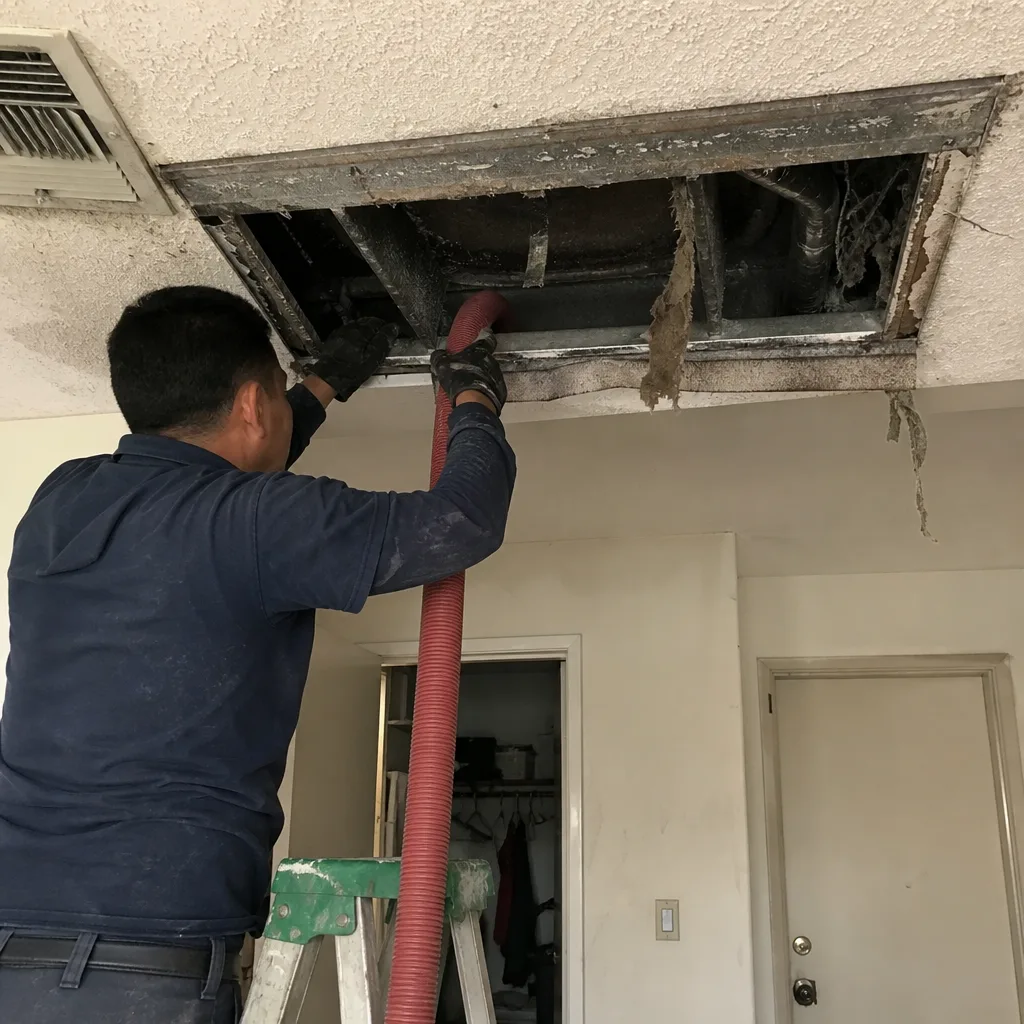 Before
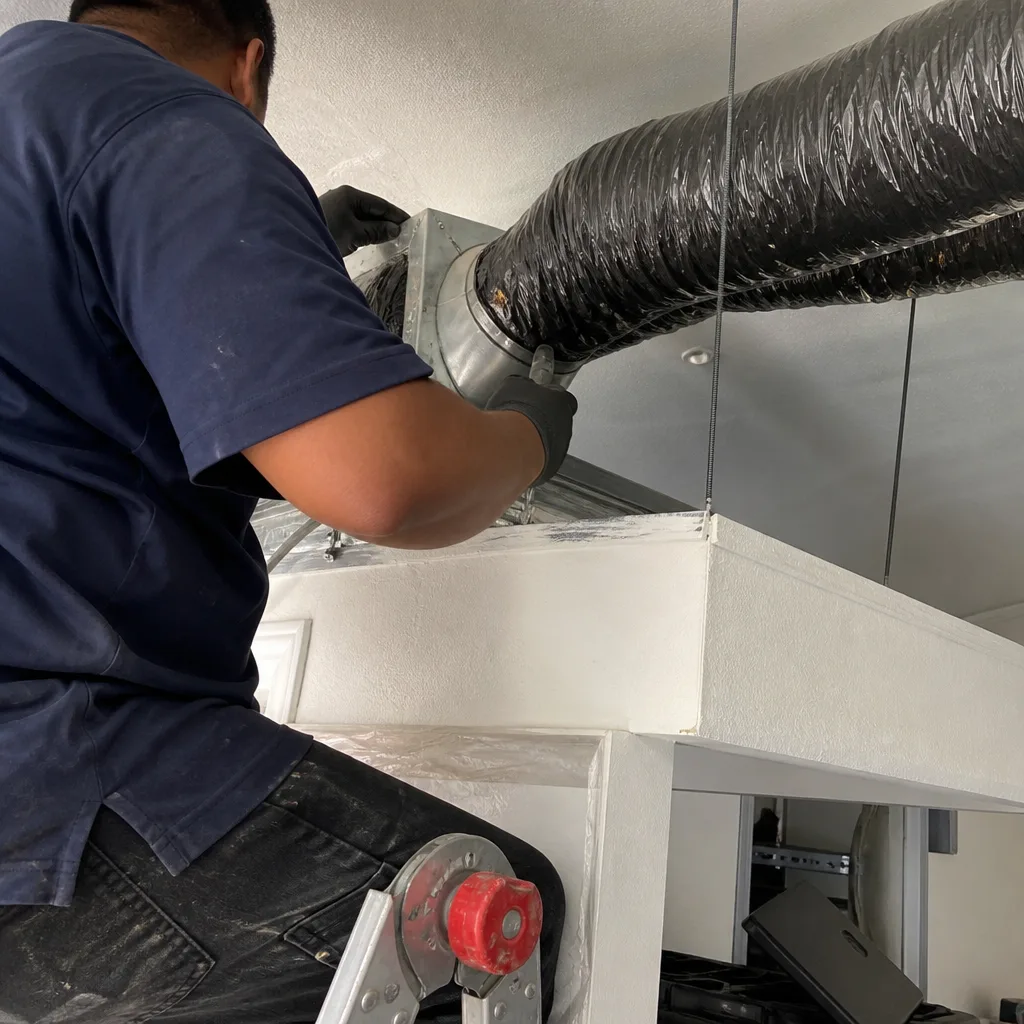 After
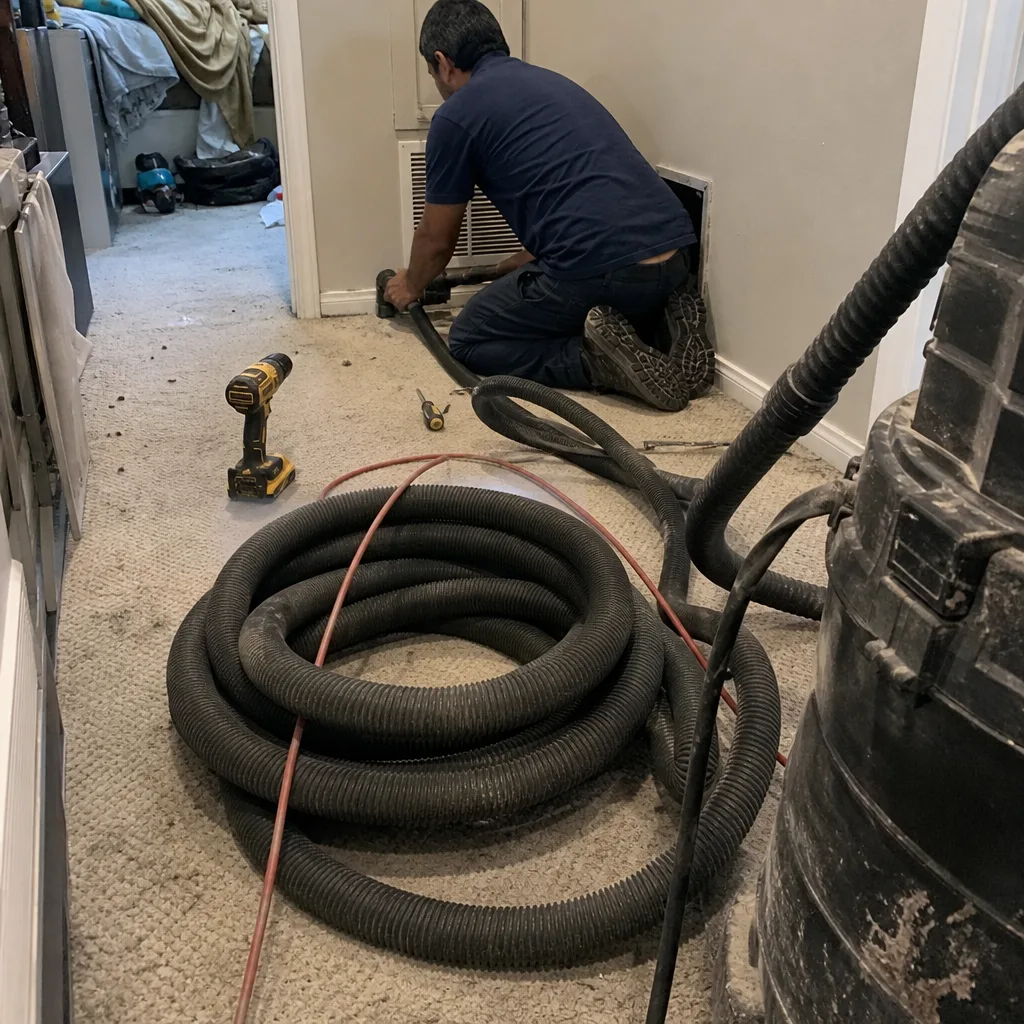 Before
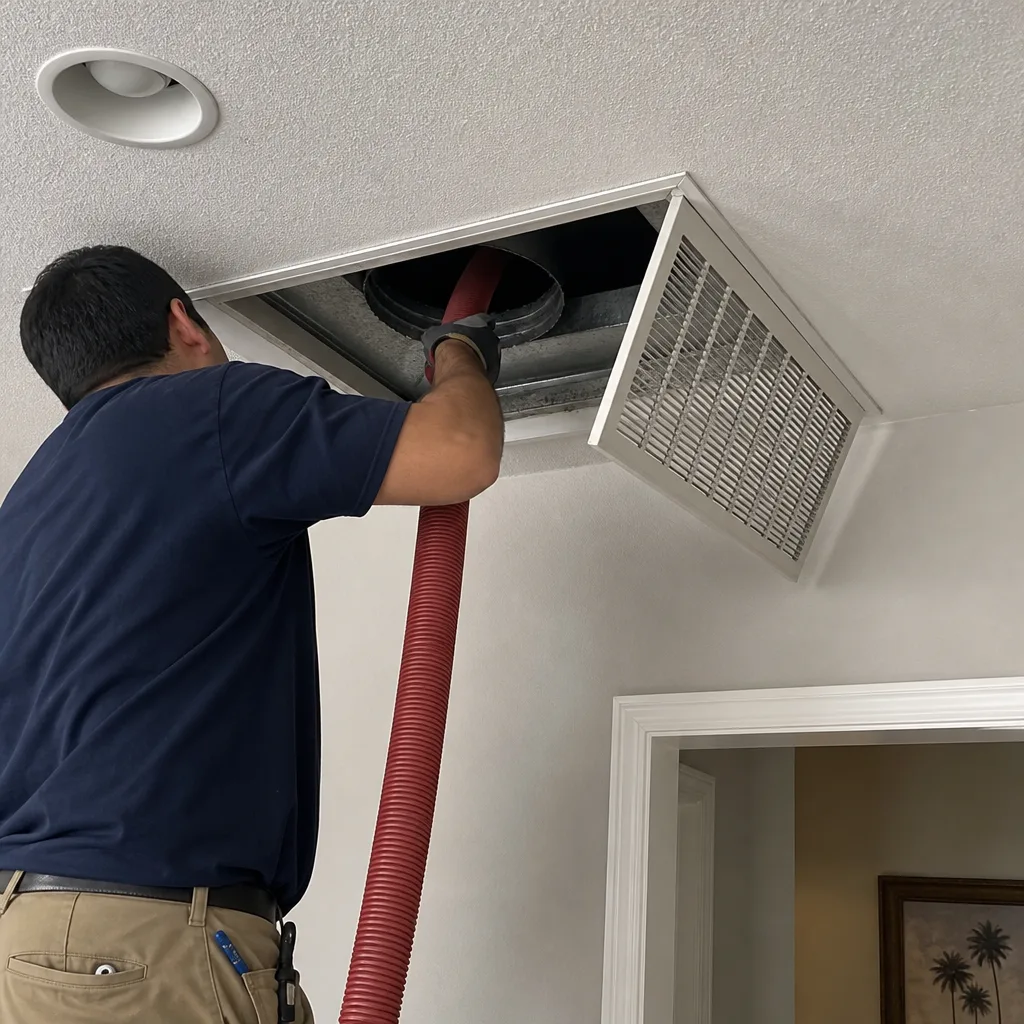 After
 Before
 After