
Last updated November 2, 2026
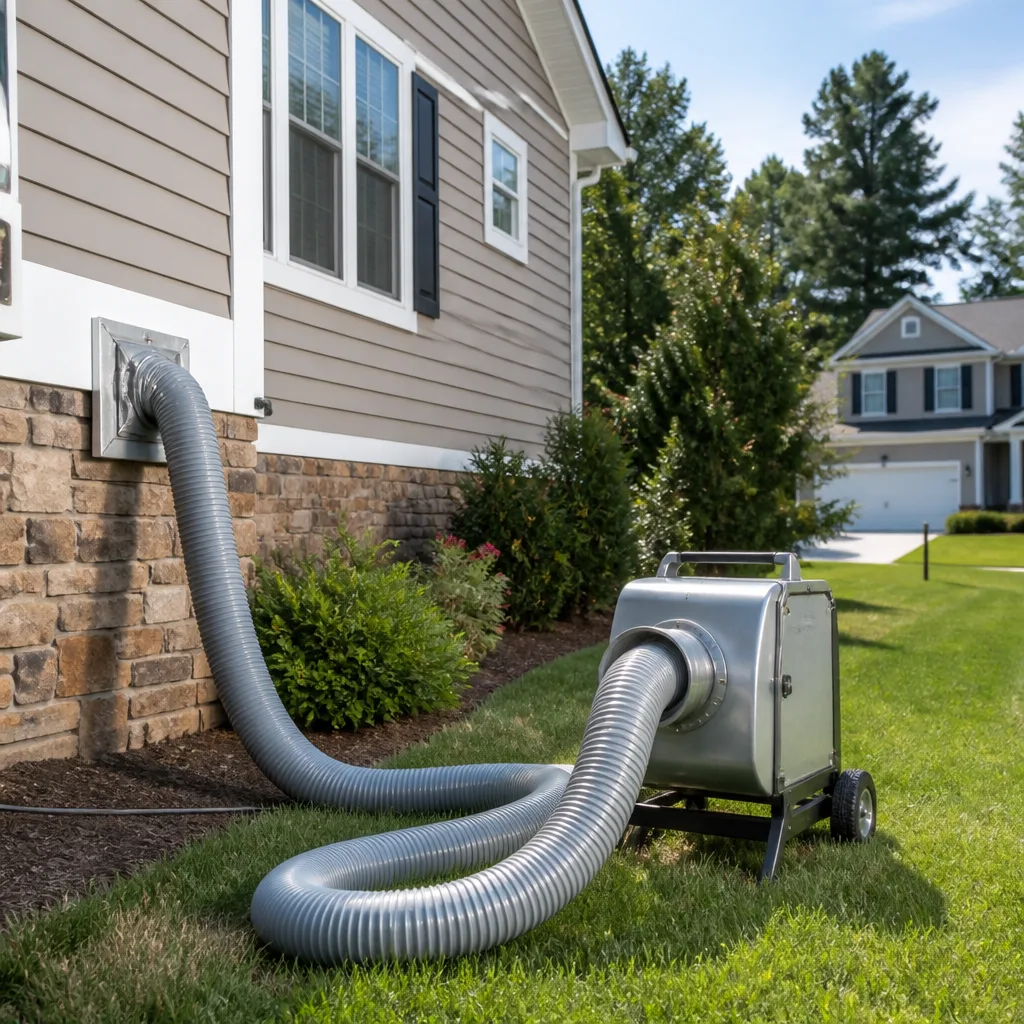 Whole-home duct cleaning
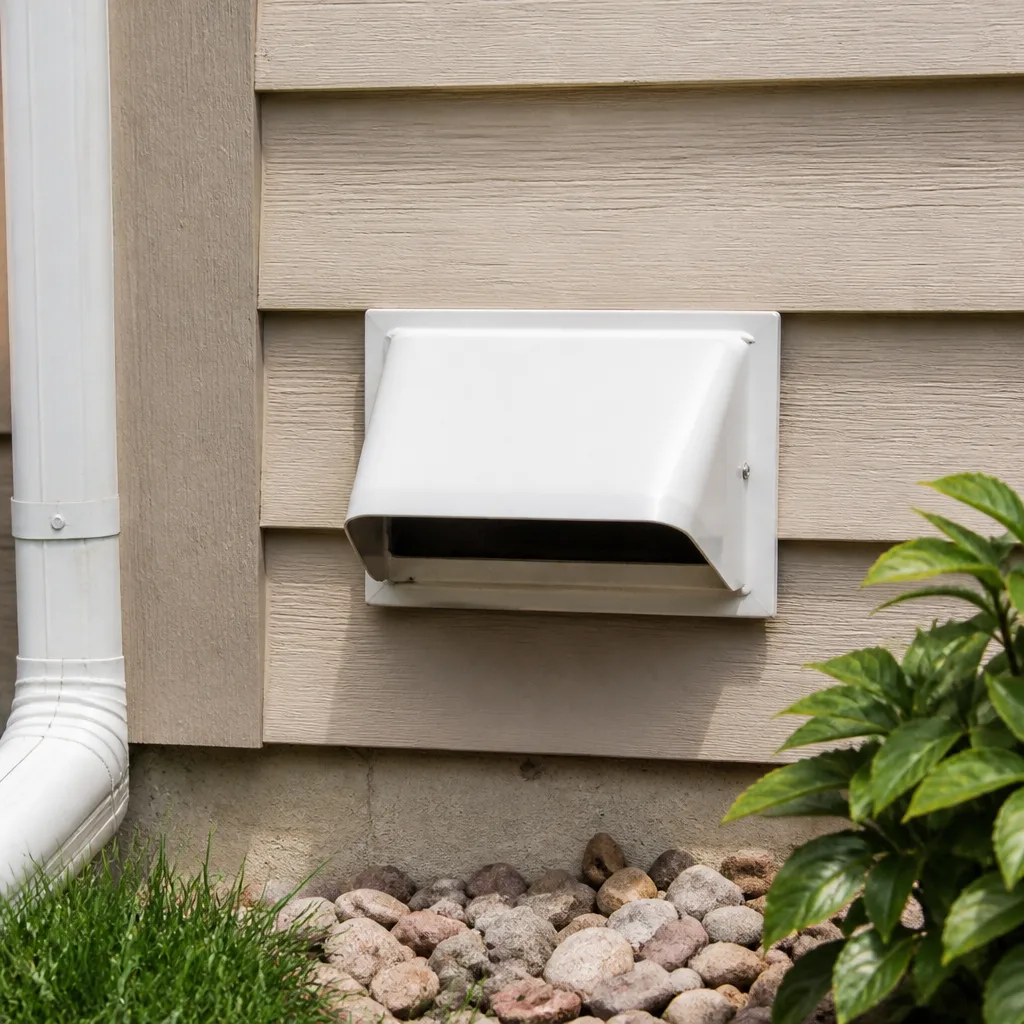 Dryer vent cleaning
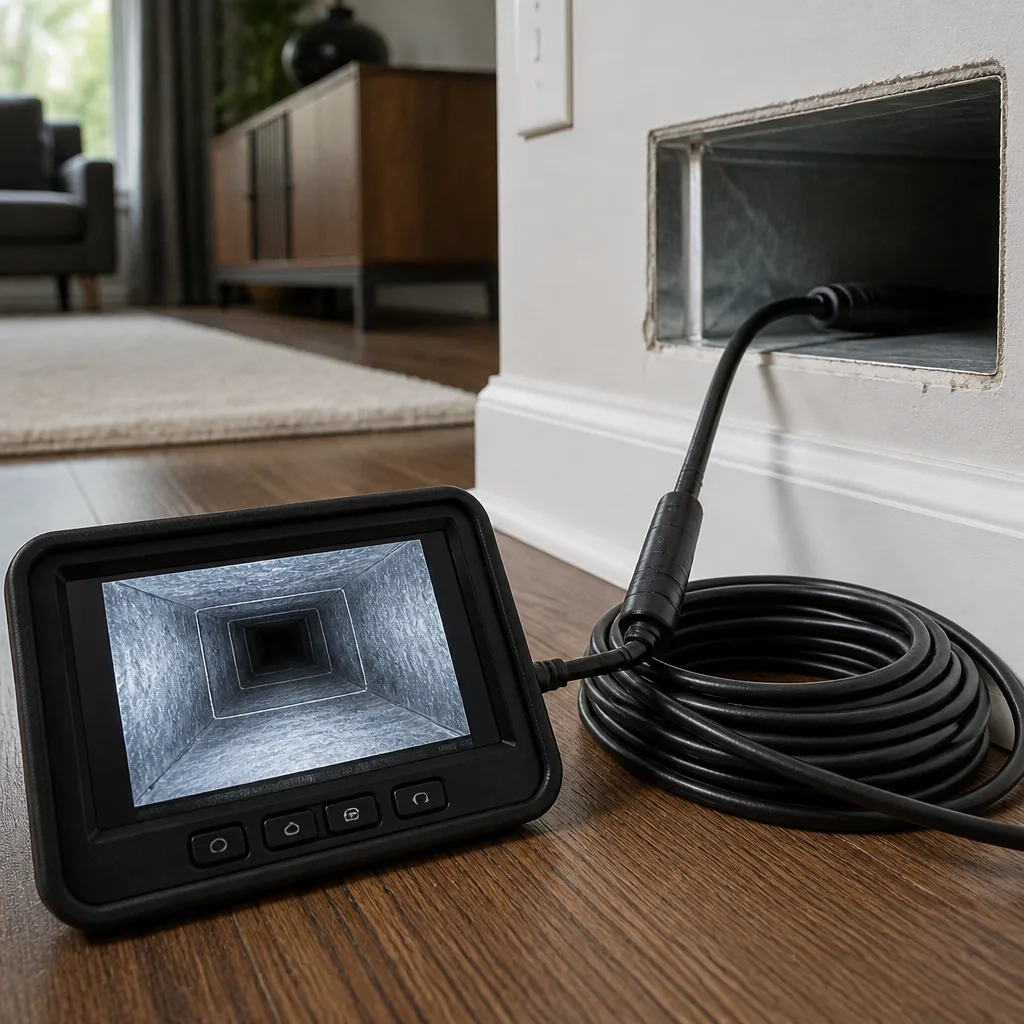 Camera inspection
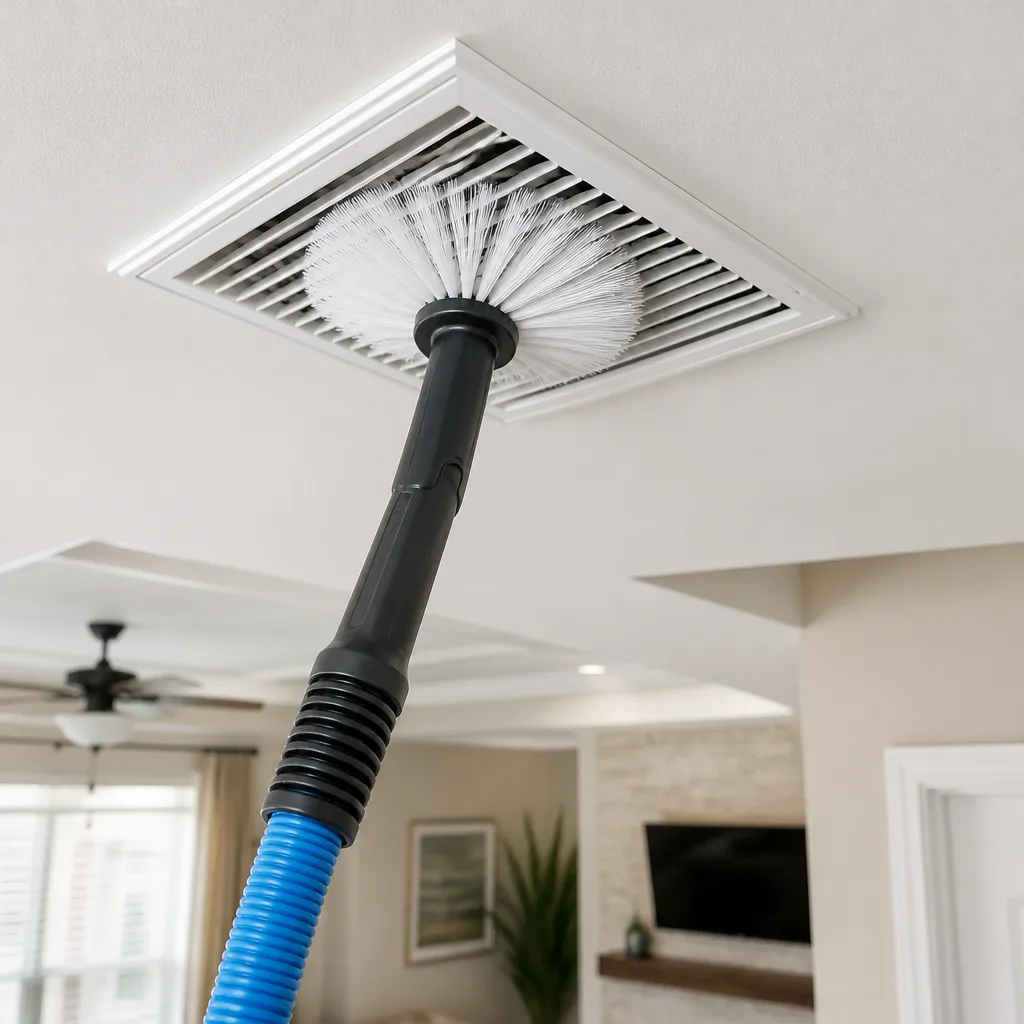 Sanitizing & deodorizing
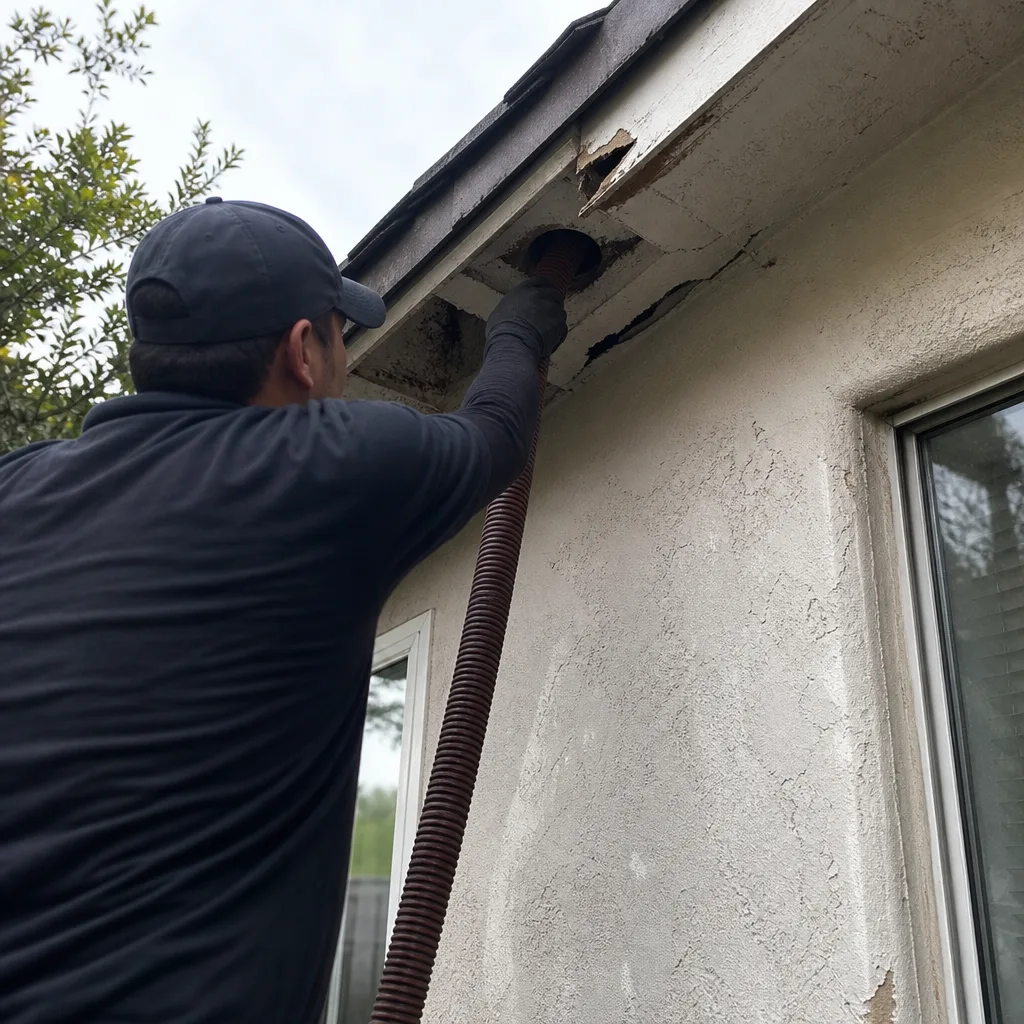
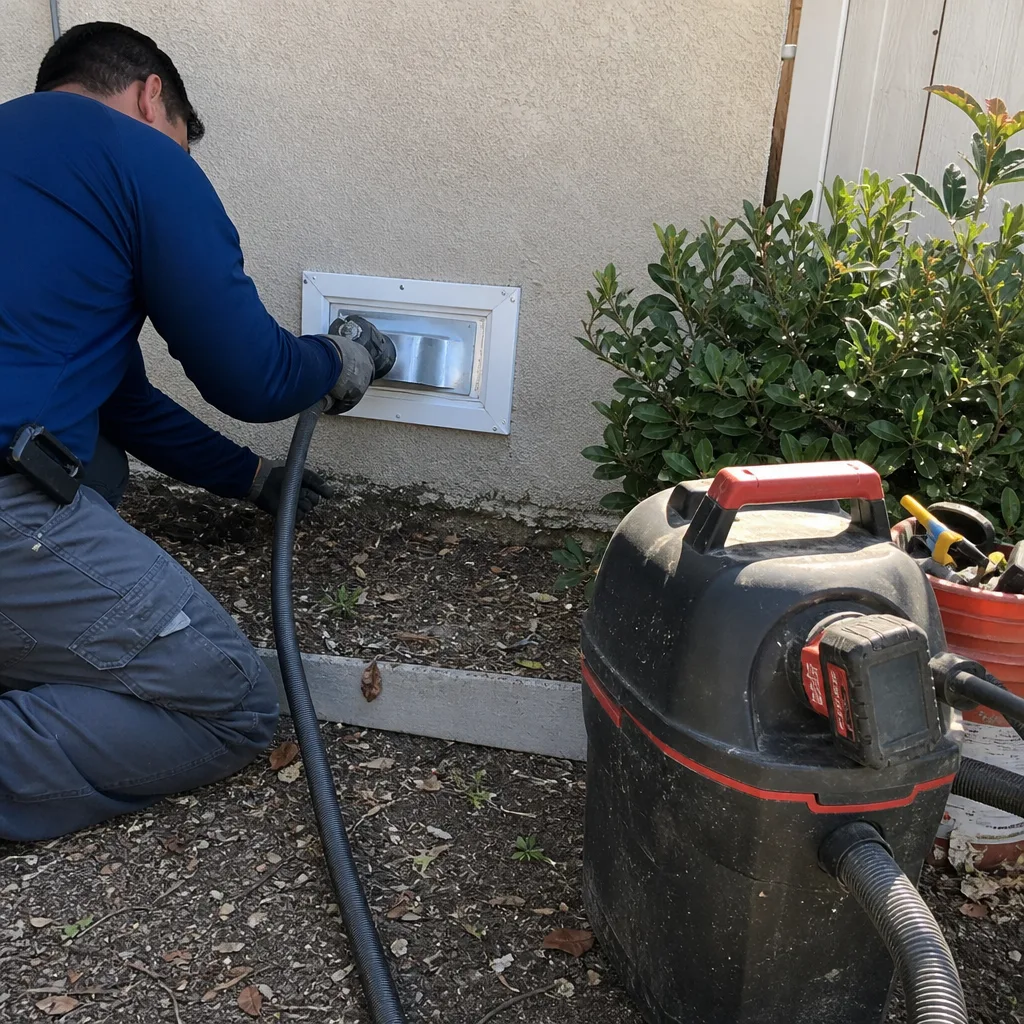
Whole-system duct and dryer vent check with before-and-after photos - you see exactly what came out of your vents
That "$99 whole-house special" is a bait ad - the real number appears once they are in your hallway, or the "clean" is a shop-vac at the register. We photograph the inside of your ducts before and after instead.
Air Duct Cleaning Troubleshooting: Common Problems and How to Fix Them
If your allergies didn’t improve after a duct cleaning and the tech blamed your filter, there’s a strong chance the system was never put under proper negative pressure during the job. What that means in plain terms: debris was loosened from your duct walls and then redistributed through your living space instead of being contained and removed. In Rancho Cucamonga, where we contend with Santa Ana winds pushing fine particulate into homes and summer heat forcing HVAC systems to run hard for months, the difference between a contained cleaning and a cosmetic blowout shows up fast. This guide walks through the most common post-cleaning failures we see, how to diagnose which step went wrong, and when the right fix is a better cleaning versus a different repair entirely. You’ll learn to audit the job that was done, not just schedule a repeat of it.
Styles & brands we work with
- Whole-home duct cleaning
- Dryer vent cleaning
- Camera inspection
- Sanitizing & deodorizing
Quick Answer
If your ducts are still dusty after a cleaning, the most likely causes are: the system was never put under negative pressure during service, contact agitation was skipped or underdone, or the source of the dust is not in the ducts at all but in the air handler, coil, or return-air leakage. Diagnose which failure occurred before paying for another cleaning. A proper re-clean with professional-grade Rotary brush equipment and contained negative air will resolve equipment-failure cases; duct leakage, coil contamination, or air handler mold requires repair or component cleaning instead.
Table of Contents
- Symptom Audit: What Kind of Failure Are You Looking At?
- The Negative Pressure Question: The Test Most Companies Fail
- Contact Agitation: Why Wands and Blowers Don’t Cut It
- Source Problems: When Duct Cleaning Was Never the Fix
- Symptoms of a Bargain Cleaning That Made Things Worse
- Reading a Service Report: Red Flags of a Cosmetic Job
- When a Second Cleaning Is the Right Call vs. Duct Sealing or Repair
- Common Mistakes to Avoid
- When to Call a Professional
- Frequently Asked Questions
- The Bottom Line
Symptom Audit: What Kind of Failure Are You Looking At?
Before you call anyone back, you need to identify which category of problem you’re dealing with. We’ve audited hundreds of homes in Rancho Cucamonga after prior cleanings, and nearly all failures fall into one of four buckets: equipment failure, method failure, source misdiagnosis, or scope failure. Each requires a different response. Fixing the wrong bucket means spending money twice.
Here’s how to sort what you’re seeing:
- Equipment failure: The company used entry-level blowers, shop vacuums, or wand-only methods that couldn’t physically reach or agitate the debris coating your duct walls. The symptom profile is dust returning within days or weeks, often visibly puffing from registers when the system cycles on. The fix is a re-clean with rotary brush contact agitation and proper negative air containment.
- Method failure: The equipment might have been adequate but the process wasn’t. No sealing of registers, no containment of dislodged debris, no cleaning of the return side, or skipping the main trunk line. Symptoms include new dust on surfaces immediately after the job and musty odor that appears after the first system run. The fix is a properly executed cleaning, not necessarily different equipment.
- Source misdiagnosis: The ducts weren’t the source of the problem. Mold at the air handler, a dirty evaporator coil, or duct leakage pulling attic air into the system will keep producing symptoms no matter how many times the ducts are cleaned. The fix is coil cleaning, air handler remediation, or duct sealing/repair.
- Scope failure: The company cleaned the supply side but ignored the return side, or cleaned main trunks but skipped branch lines, or never touched the plenum. Symptoms are persistent dust from specific registers or returns while others seem fine. The fix is a complete re-clean with register-by-register documentation.
In Rancho Cucamonga specifically, we see a fifth variable: fine wind-driven particulate from the Fontana and Jurupa Valley corridors that infiltrates return ducts through small leaks, especially in older homes near the 210 and 15 freeway corridors. If your dust has a gritty, fine texture and accumulates fastest near return grilles, the ducts may be clean and the problem is leakage. That’s an Air Duct Repair in Rancho Cucamonga job, not another cleaning.
The Negative Pressure Question: The Test Most Companies Fail
Negative pressure is the difference between cleaning your ducts and just rearranging the dust inside them. When a duct system is properly put under negative pressure, the cleaning machine pulls air continuously out of the ductwork while agitation loosens debris. Debris flows toward the vacuum source and out of the home. Without negative pressure, every brush stroke or air blast sends a cloud of particulate into the duct interior, where it drifts, settles, and eventually blows into your rooms when the HVAC cycles on.
Here’s what to ask any company before they start, and what to check if you’re auditing a job already done:
- Ask directly: “Do you put the system under negative pressure during cleaning, and what equipment do you use to do it?” A legitimate answer names the machine (Abatement Technologies negative-air units, Nikro HEPA-filtered vacuums, or similar). A vague answer like “our vacuum is powerful” is a red flag.
- Check the setup: During a real contained cleaning, the tech creates a vacuum seal at the plenum or a cut-in access point, and registers are sealed or blocked during agitation. If the crew shows up with a shop vac and a rotating brush on a drill, that’s not negative pressure. That’s a dust circulation event.
- Look at what left the house: A proper negative-air cleaning moves debris out of the home through a sealed hose to a contained unit outside or in the garage. Debris should not pass through your living room. If the machine is indoors and the exhaust isn’t filtered, you’ve been exposed to everything that just came out of your ducts.
- Feel the air during service: With proper negative pressure, the duct system pulls air inward at access points. You can feel the draw. A technician who understands containment can demonstrate this in seconds. A tech who can’t explain the concept probably didn’t do it.
We run Rotobrush rotary brush systems paired with Nikro HEPA-filtered collection and Abatement Technologies negative-air units on our jobs in Rancho Cucamonga. The rotary brush does the agitation; the negative-air unit does the containment. Both halves matter. A brush without containment redistributes dust. Containment without agitation doesn’t actually clean anything. If your prior tech only had half the equation, your dust came back because it never left.
Contact Agitation: Why Wands and Blowers Don’t Cut It
Duct debris doesn’t just sit loosely in the bottom of your ducts waiting to be vacuumed. A significant portion adheres to the interior surfaces: dust bonded to the galvanized metal by humidity cycles, pet dander matted into fibrous insulation, cooking residue that’s essentially glued to the walls. Removing this requires contact agitation – something physically touching and scouring the duct surface under negative air. Wands and blowers don’t do this. They move air across surfaces but don’t abrade them. That’s the difference between cleaning a counter with a cloth and fanning at it with a magazine.
Here’s what contact agitation looks like when done correctly:
- Rotary brush systems that physically scrub the full interior circumference of the duct. Rotobrush systems use a rotating brush head sized to the duct dimensions, with the brush making physical contact with all surfaces while negative air pulls loosened material out simultaneously.
- Air whips and skipper balls that travel through the duct and strike surfaces with compressed-air force. These work best on round metal duct; they’re less effective on rectangular duct with corners and on flex duct where the inner liner can be damaged by aggressive tools.
- Manual brushing of plenums, transition areas, and accessible trunk sections where power tools can’t reach. A good technician carries hand brushes and uses them. A lazy one skips these areas entirely.
The faint gray film on your duct interior – the stuff that looks like a teenager’s bedroom shelf – is what contact agitation removes. If your prior cleaning used a wand or blower, that film was dampened at best and then blasted into the air over the following weeks. In Rancho Cucamonga’s dry climate, that film is often fine desert dust and creosote-laced particulate from winter inversions. It’s abrasive, it’s fine-grained, and it’s exactly what you don’t want recirculating into your living space.
After a proper contact-agitation cleaning, your ducts should look like clean metal or clean flex liner, not like they’ve been dusted. If you can shine a flashlight into a register and still see gray accumulation on the duct walls, the agitation step was incomplete.
Source Problems: When Duct Cleaning Was Never the Fix
Sometimes the ducts were cleaned exactly as promised, and the dust, odor, or allergy symptoms persist anyway. That’s not a failed cleaning. That’s a misdiagnosed source. The ductwork is the pathway, not always the origin. If the origin is upstream of the ducts – at the coil, the air handler, the return plenum, or outside the duct system entirely – cleaning the pathway does nothing.
The most common source problems we identify during Timberline Air Duct Cleaning home service calls in Rancho Cucamonga:
- Dirty evaporator coil: The coil sits in the airstream ahead of the supply ducts. If it’s caked with dust, pet hair, and microbial film, every cooling cycle sends air across that contamination and into the ducts. Ducts stay clean; the air isn’t. Symptom: musty odor that starts when cooling starts, dust that reappears at supply registers only.
- Mold at the air handler or in the condensate pan: Standing water, high humidity, and a dark cabinet create a mold source that cleaning the duct runs won’t touch. Symptom: persistent musty odor concentrated near the air handler closet or garage unit, regardless of blower operation.
- Return-side leakage: In attic-installed systems common throughout Rancho Cucamonga, return ducts often pull air through gaps at joints, around the filter slot, or through the return plenum. That air comes from the attic – hot, dusty, filled with insulation fibers and whatever blows through the eave vents. Symptom: fine dust accumulating on return grilles and in filter media within days, plus rooms that feel stuffy even when the fan runs.
- Dirty blower wheel and motor: Dust accumulates on blower fan blades over time, reducing airflow and re-entraining particulate every cycle. This is cleaned during proper HVAC service but skipped by most duct-only companies. Symptom: reduced airflow from all registers plus dust that doesn’t correlate with duct runs.
- Duct leakage in the supply side: Holes or disconnected joints in supply ducts – common at takeoff collars and in older flex runs – pull attic air into the system and push conditioned air into the attic. Symptom: hot rooms far from the air handler, high energy bills, and dust deposits near supply registers regardless of cleaning.
The telltale distinction: if a proper cleaning was completed with correct equipment and documentation, and dust remains concentrated at certain registers or returns, you’re likely looking at a source or leakage problem, not a cleaning problem. At that point the right call is coil cleaning, air handler service, or Air Duct Repair in Rancho Cucamonga – not another pass through the duct runs.
Symptoms of a Bargain Cleaning That Made Things Worse
We’ve walked into homes in Rancho Cucamonga where the homeowner paid $99 for a whole-house duct cleaning and then spent three weeks vacuuming every horizontal surface daily. That’s not a cleaning that failed; that’s a cleaning that actively made the indoor air worse. The mechanism is simple: aggressive air blasting or weak brushing without negative pressure dislodges debris from the duct walls and suspends it in the air column. The blower then distributes it through the supply registers over the following days and weeks.
Here are the specific symptoms that indicate a bargain cleaning made things worse rather than better:
- New or increased dust on furniture within one week – especially on surfaces that were clean before the service. This is dislodged duct debris settling out of the air.
- Dust puffs from registers at system startup – visible particulates ejected when the blower kicks on. This is debris suspended in the duct that settles between cycles and gets blown out on startup.
- A musty or “stirred-up” odor after the first few system runs – the smell of decades of accumulated dust and debris finally aerosolized. It fades as the debris is distributed through your home, which is not a good thing.
- Visible debris at register faces – chunks, hair, or dust streaks on the register covers themselves. This material was blown to the registers and deposited there, meaning most of it also escaped into the rooms.
- Worsened allergy symptoms – sneezing, congestion, or eye irritation concentrated in the days following service. The cleaning aerosolized the exact particulate that triggers allergic response.
If you’re seeing these symptoms, don’t schedule another bargain cleaning to fix the first one. You’ll get the same result twice. The correct response is a contained re-clean under proper negative pressure with contact agitation – the method that removes debris rather than redistributing it. In our experience with Rancho Cucamonga homes, the post-bargain re-clean typically takes longer than a first-time cleaning would have, because the previous job effectively seasoned every surface in the home with duct particulate.
Reading a Service Report: Red Flags of a Cosmetic Job
A professional duct cleaning generates documentation. Not a receipt – documentation of the work done, the conditions found, and the results achieved. If your prior service produced no report, or the report is a one-paragraph boilerplate, you have good reason to suspect the job was cosmetic. Here’s what a legitimate service report from a professional duct cleaning in Rancho Cucamonga should include, and what its absence tells you:
Red flag #1: No before-and-after photos of the duct interior. Every professional cleaning we perform includes photos of the duct interior before and after service. These should be specific to your home, not stock images. If your company can’t show you what the ducts looked like before they started, they can’t prove anything changed.
Red flag #2: No register-by-register documentation. A professional cleaning covers every supply and return register in the home. The report should list them – or at minimum reference a scope that includes all of them. Skipped registers are documented by their absence from the report.
Red flag #3: No CFM or static-pressure readings. Airflow readings before and after service tell you whether airflow improved. A company running proper negative-air equipment can measure this. No readings means no baseline and no verification.
Red flag #4: No notes on access points. Professional cleaning requires access to the duct system – through the plenum, a cut-in access, or removal of register boots. The report should note where access was made and how it was closed. No access notes means the crew may never have actually entered the duct system in any meaningful way.
Red flag #5: No time-on-site documentation. A proper whole-house cleaning takes hours, not minutes. A two-person crew spending 45 minutes in your home didn’t clean your ducts. They waved at them. Your report should include service duration or at minimum a timeline that makes sense for the square footage.
We document every job this way on principle. If a customer questions the work, the photos and readings answer the question without argument. If a company can’t or won’t provide this documentation after the fact, you already know what kind of job was done.
When a Second Cleaning Is the Right Call vs. Duct Sealing or Repair
After a failed or inadequate cleaning, the question becomes: do I pay for another cleaning, or do I pay for a different service? Getting this wrong means spending money on the wrong fix. Here’s the decision framework we use in Rancho Cucamonga homes when we’re called after another company’s work:
Schedule a re-clean when:
- The prior cleaning was equipment-incomplete – wands, blowers, or shop vacs without contact agitation or negative air. The ducts still contain the original accumulation plus whatever the prior job rearranged. A proper cleaning removes it.
- The prior cleaning skipped system sections – returns, main trunks, plenums, or branch lines. A complete re-clean with full coverage resolves the residual dust.
- The prior cleaning provided no documentation and you saw no actual duct access during the visit. Assume nothing was cleaned and start fresh with a company that documents its work.
- The dust is distributed evenly across all registers, which points to general duct contamination rather than a specific source or leakage problem.
Skip the re-clean and pursue repair or component service when:
- Dust concentrates at specific registers while others stay clean – this points to leakage at those specific runs, not general duct contamination.
- Musty odor originates at the air handler or coil area regardless of duct condition – this is a coil or air handler problem.
- Dust accumulates fastest at return grilles even after a documented proper cleaning – return-side leakage is pulling attic air into the system.
- You see visible gaps, disconnected flex, or crushed duct in the attic or crawl space – physical damage requires physical repair, not air agitation.
- The home has never had the coil cleaned and the system runs constantly during Rancho Cucamonga summers – a caked coil contaminates air faster than duct dust alone.
In a typical Rancho Cucamonga home where a bargain cleaning failed, the sequence is usually: re-clean first, then assess whether specific symptoms point to leakage or coil contamination. We cover both sides of this at Timberline – cleaning and Air Duct Repair in Rancho Cucamonga – so the answer doesn’t require two companies pointing fingers at each other.
Common Mistakes to Avoid
- Hiring the cheapest quote and calling it a bargain. In duct cleaning, the cheap quote is almost always an entry-level blower rental and a two-man crew with 90 minutes scheduled. The real cost shows up later, in dust that comes back within a week and allergy symptoms that never resolve. In Rancho Cucamonga’s dusty, windy environment, you’ll pay for that bargain in vacuum time.
- Approving a job without asking about equipment. If you can’t name the machine that will clean your ducts, you’re approving a mystery. Ask: rotary brush or wand? Negative air or open-air vacuum? Filtered exhaust or unfiltered? A company that can’t answer these questions in one sentence is a company you shouldn’t hire.
- Accepting a service without before-and-after documentation. No photos, no readings, no register list – no way to verify the work happened. Demand documentation before you pay. Legitimate companies already do this.
- Cleaning ducts while ignoring the air handler and coil. If the coil is caked or the blower wheel is loaded with dust, you’ll recontaminate clean ducts within a month. The system is one pathway. Cleaning half of it fixes nothing.
- Treating dryer vent cleaning as optional. Lint accumulation in a dryer vent is a fire hazard, and Rancho Cucamonga homes with long vent runs from interior laundry rooms are particularly vulnerable. This isn’t an upsell – it’s a safety service. Timberline performs Dryer Vent Cleaning in Rancho Cucamonga as a dedicated fire-prevention service, not an add-on.
- Assuming any recurrence of dust means the cleaning failed. If a proper cleaning was documented and dust persists at specific registers or returns, check for leakage and source problems before ordering another cleaning. Re-cleaning a duct system with a leak is like refilling a bucket with a hole in it.
- Waiting for duct problems to become HVAC problems. Crushed flex, disconnected takeoffs, and gaping return leaks don’t heal themselves. They get worse, and the HVAC system pays for it in runtime, energy cost, and premature wear. Address repairs when found, not when the system fails.
When to Call a Professional
Some duct problems can be evaluated by a homeowner with a flashlight and patience. Most can’t. Call a professional when you see: dust puffs from registers at startup after a previous cleaning, musty odor that persists after filter changes, visible debris at register faces within weeks of service, dust that returns faster than your filter can capture, or any sign of moisture in or around the duct system. Also call when you’re unsure whether your ducts were cleaned at all – a professional assessment with documentation will answer that question in one visit. Timberline Air Duct Cleaning offers free estimates in Rancho Cucamonga – call (877) 265-9115 to schedule a system assessment, whether you’re troubleshooting a prior cleaning or starting fresh with a documented process.
Frequently Asked Questions
A legitimate whole-house air duct cleaning in Rancho Cucamonga typically ranges from $400 to $700 depending on home size, number of systems, and duct configuration. Prices below $250 should raise immediate suspicion – that budget doesn’t support professional-grade equipment, proper containment, documented service, or the time required to actually clean a duct system. Call (877) 265-9115 for an exact quote – estimates are free.
You know because the company provided before-and-after photos of the duct interior, register-by-register documentation, and measurable airflow data showing the system condition changed during service. If none of that exists, you have no evidence the work happened and no reason to assume it did. A legitimate cleaning leaves a paper trail and visual proof.
Post-cleaning dust is the signature of a job done without negative pressure – debris was dislodged from duct walls by air blasting or weak brushing and then distributed through the home by the blower fan over the following days. The cleaning didn’t remove debris; it relocated it into your living space. A proper re-clean with contained negative air and contact agitation removes debris instead of circulating it.
In Rancho Cucamonga’s climate, where Santa Ana winds deliver fine particulate and HVAC systems run hard through long summers, we recommend a professional duct cleaning every 3 to 5 years for most homes. Homes with pets, recent construction or renovation, smokers, or occupants with respiratory conditions may benefit from shorter intervals. Ask your provider for a documented assessment rather than a calendar-based guarantee.
Yes, if the cleaning was incomplete or if the contamination source is upstream of the ducts – a dirty evaporator coil, mold at the air handler, or return-side leakage pulling unfiltered attic air. If symptoms persist after a documented proper cleaning, the problem is not in the ducts. Have the coil, air handler, and duct integrity evaluated before repeating the cleaning.
Ask three questions: “What equipment do you use for agitation and containment?” (Rotary brush and negative-air systems are professional grade; wands and shop vacs are not). “Will you provide before-and-after photos and register-by-register documentation?” (A company that won’t document the job hasn’t done the job). “Do you repair ducts if you find damage during cleaning?” (A company that cleans but can’t repair leaves problems behind). For professional answers specific to Rancho Cucamonga, call Timberline at (877) 265-9115.
The Bottom Line
If your ducts were cleaned and the dust came back, don’t assume the next cleaning will be different. Diagnose the failure first: equipment that couldn’t agitate, a process that didn’t contain, a source that wasn’t in the ducts, or a scope that skipped half the system. Armed with the audit steps in this guide, you’ll know whether to demand a real re-clean, pursue duct repair, or address the coil and air handler. And if the diagnosis feels like it’s beyond a flashlight and a register inspection, that’s what we’re here for. Timberline Air Duct Cleaning provides Air Duct Cleaning in Rancho Cucamonga, dryer vent service, and duct repair with Rotobrush, Nikro, and Abatement Technologies equipment – contained cleaning, documented results, and repairs that close the loop instead of leaving problems behind. Call (877) 265-9115 for a free estimate.
Written by the team at Timberline Air Duct Cleaning, serving Rancho Cucamonga since 2014.
See the difference
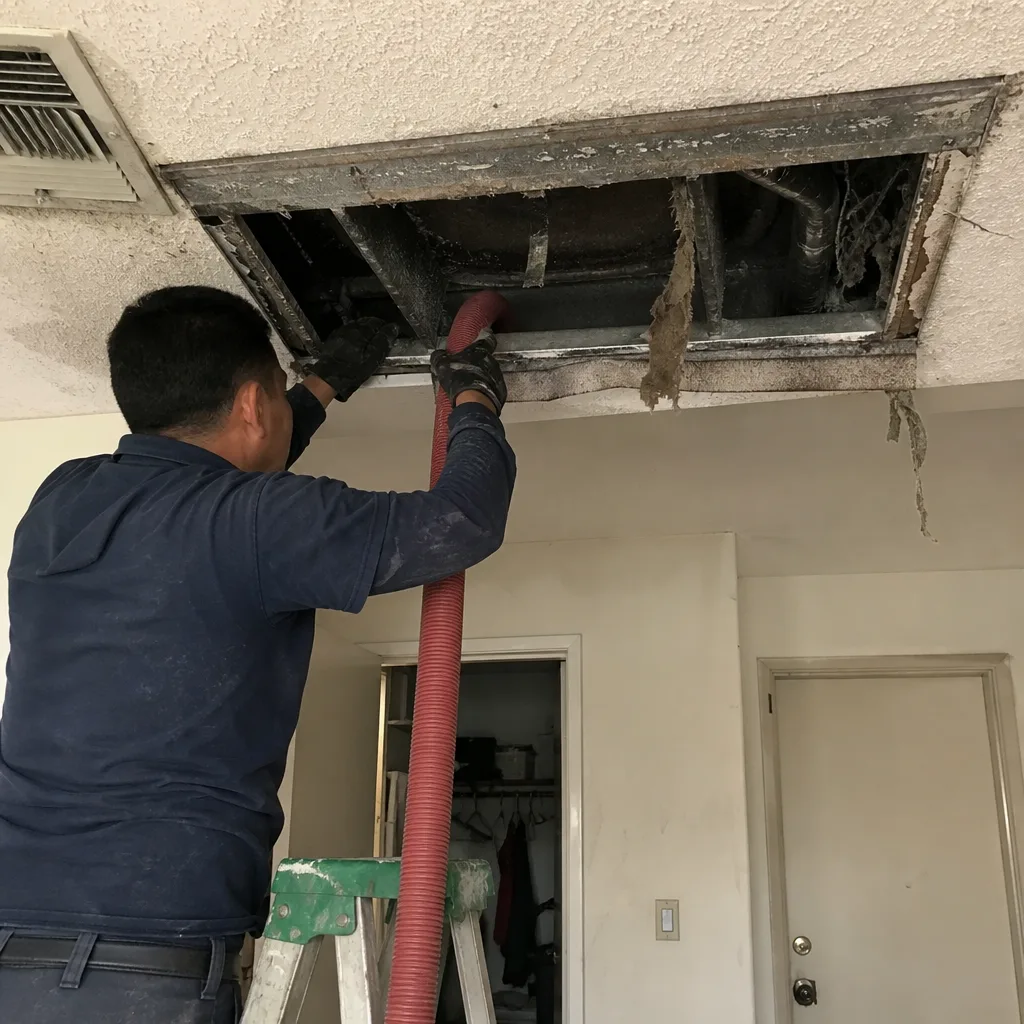 Before
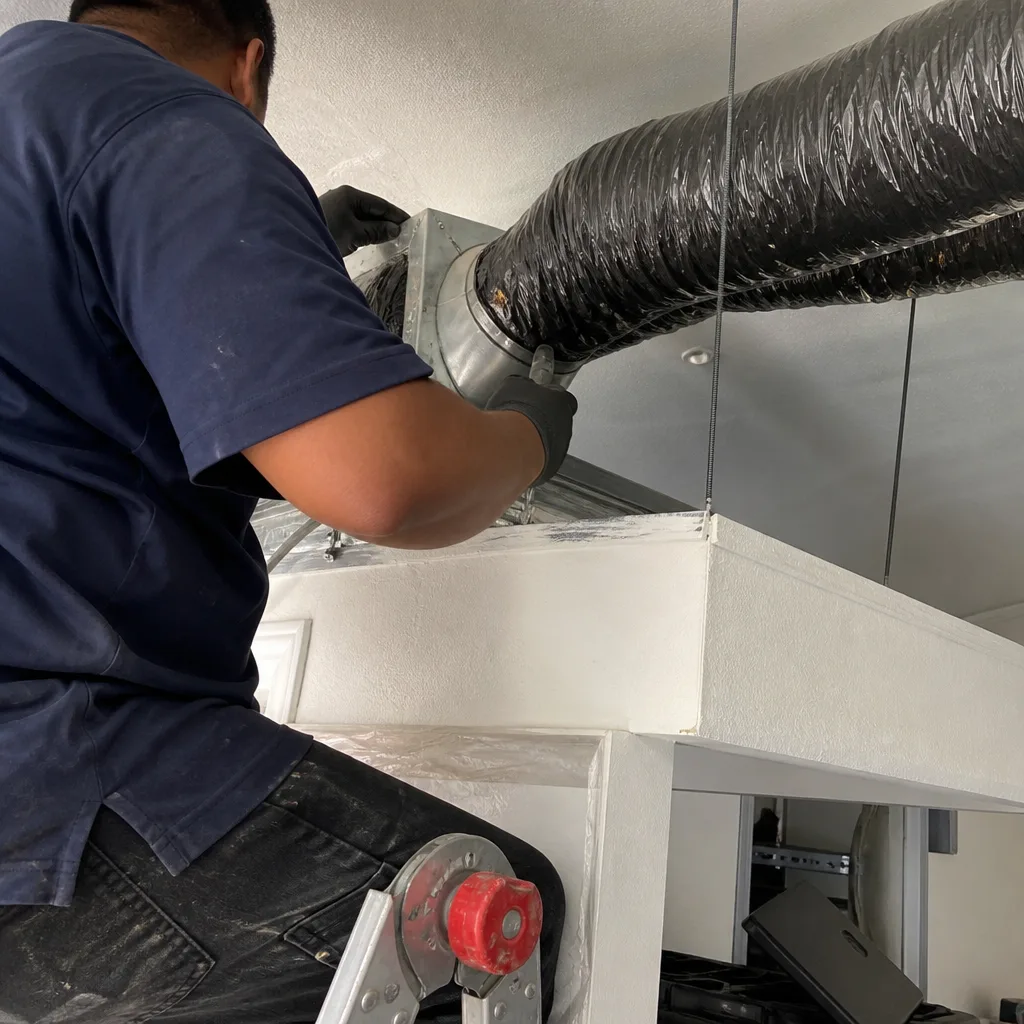 After
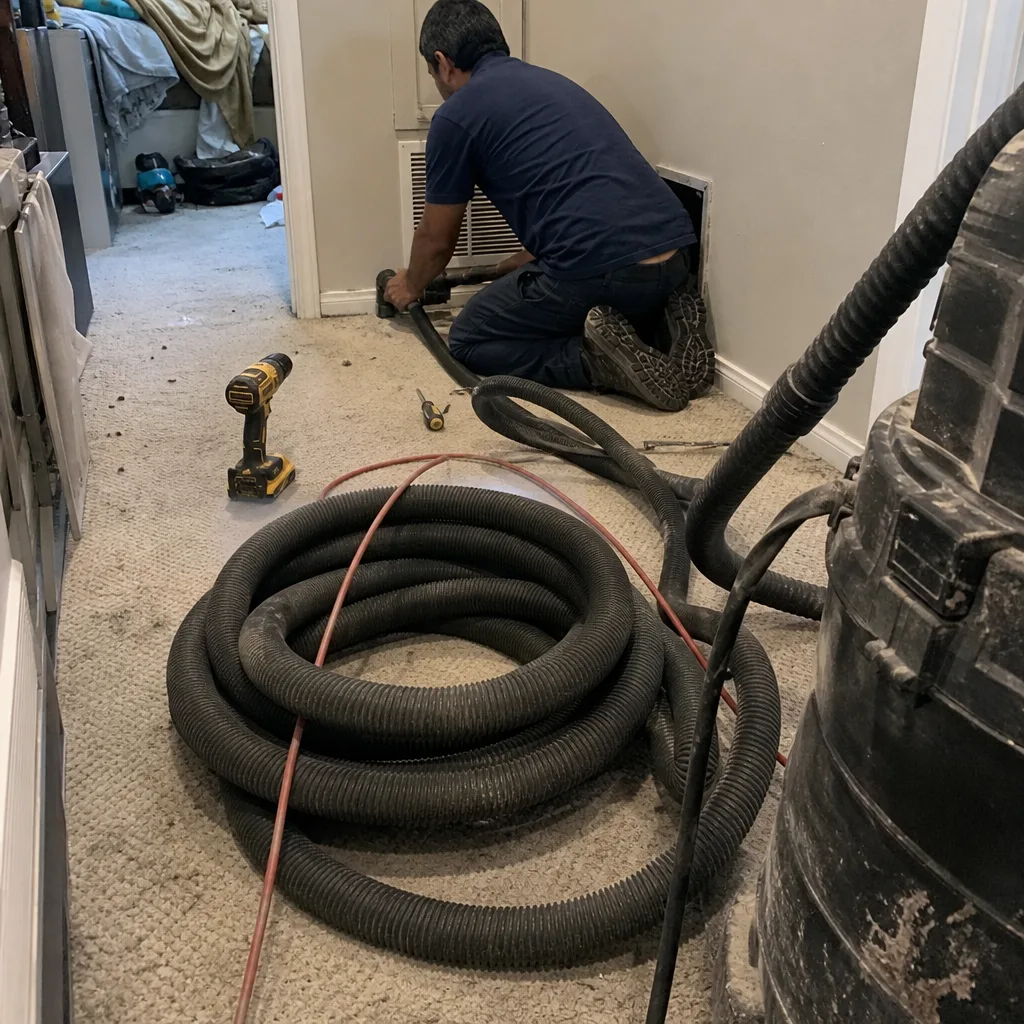 Before
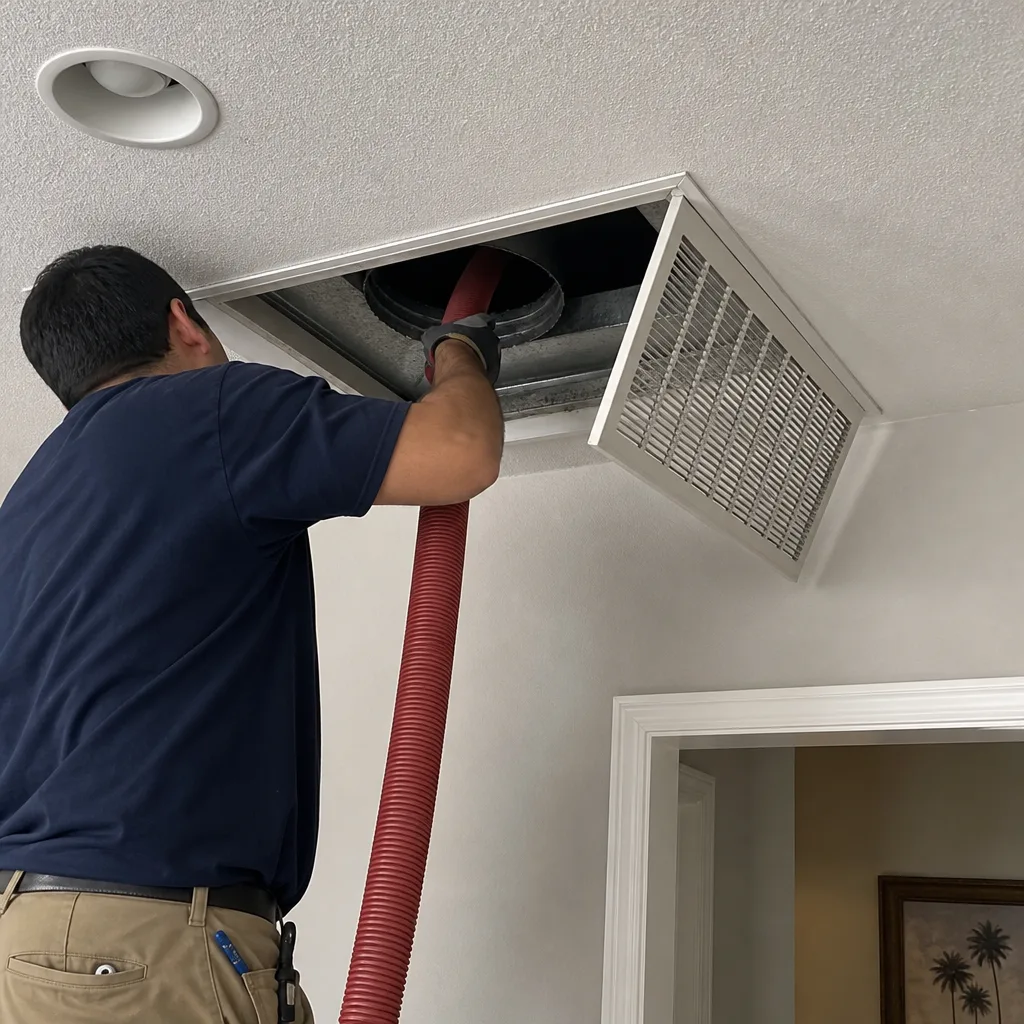 After
 Before
 After