
Last updated November 2, 2026
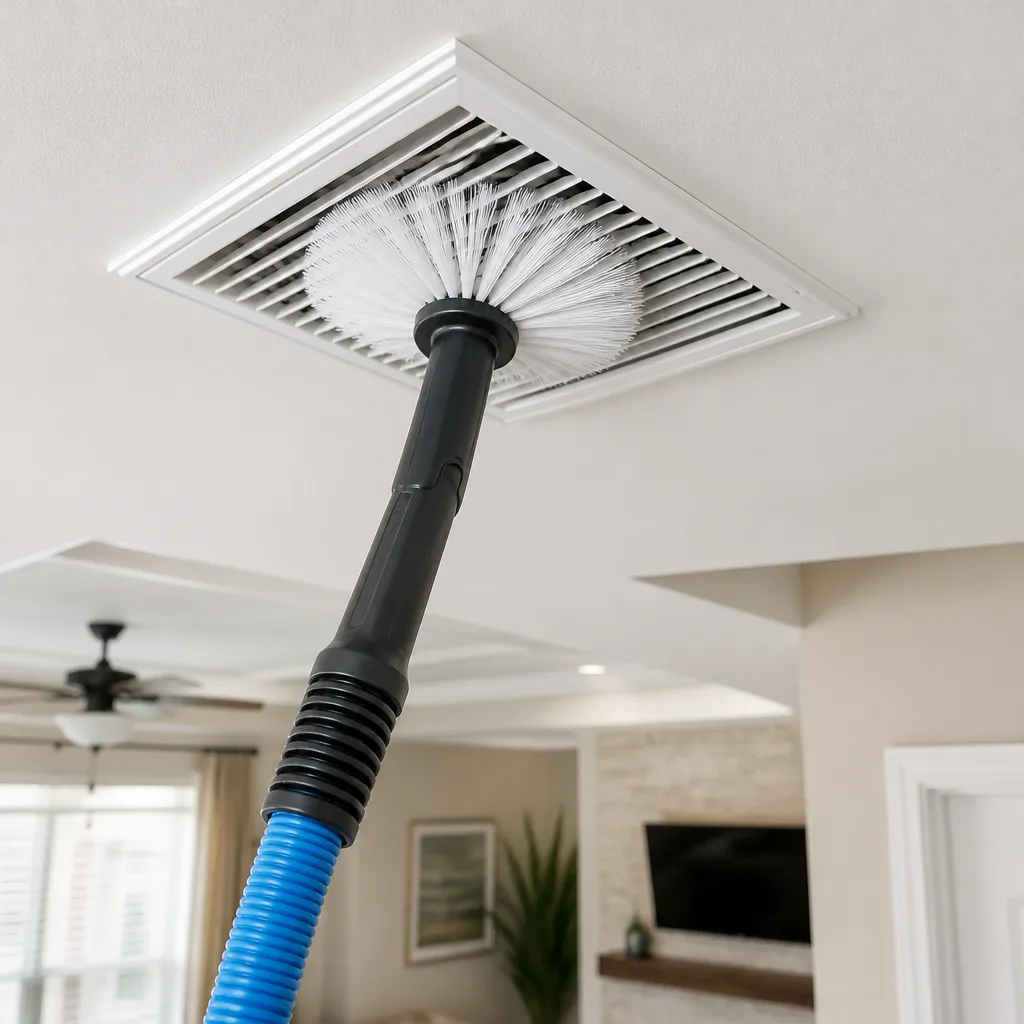
 Whole-home duct cleaning
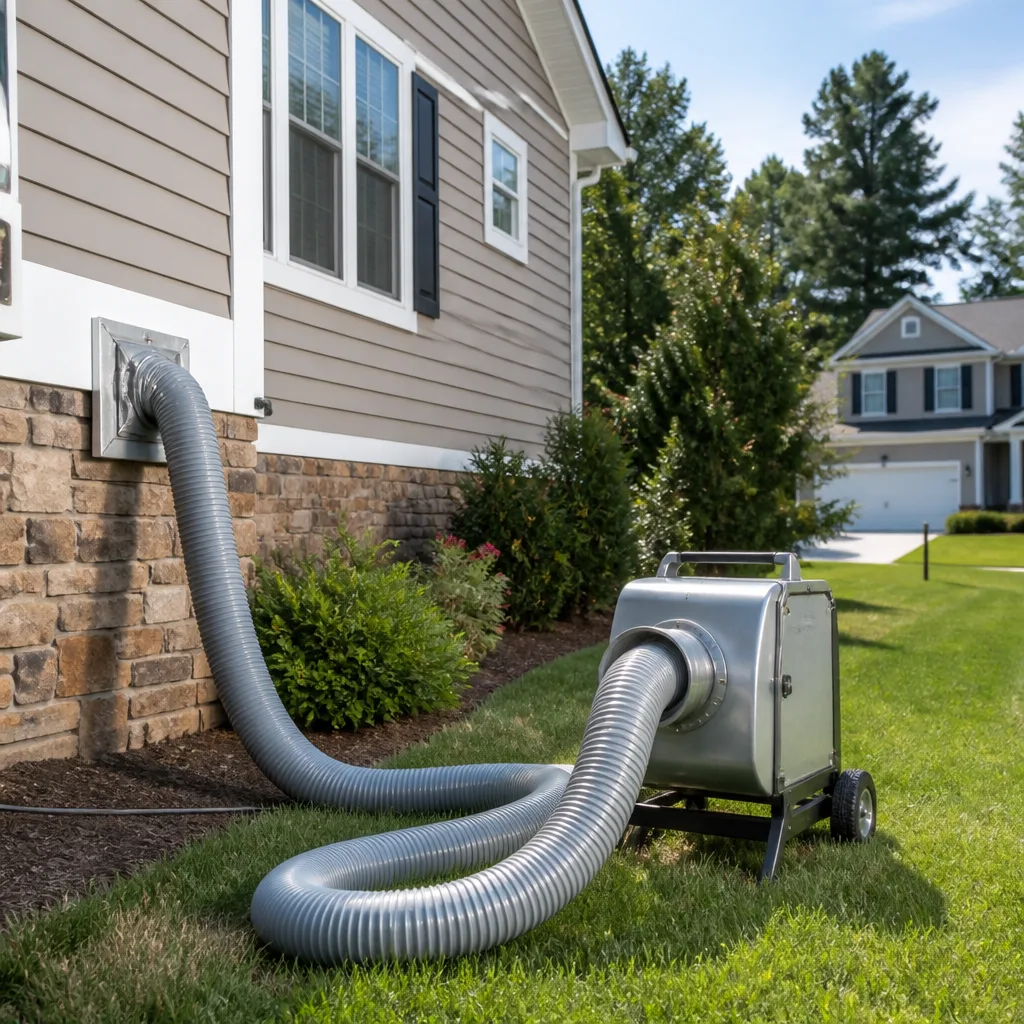
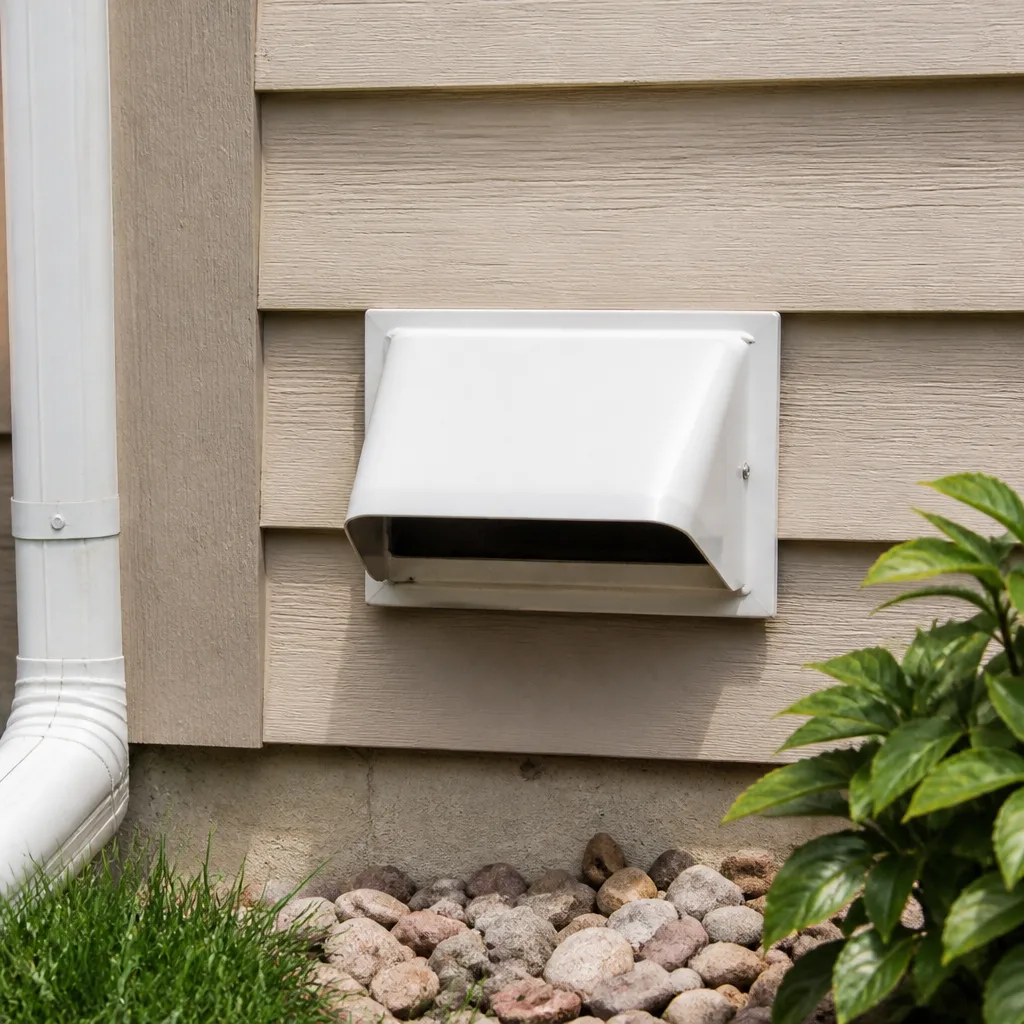 Dryer vent cleaning
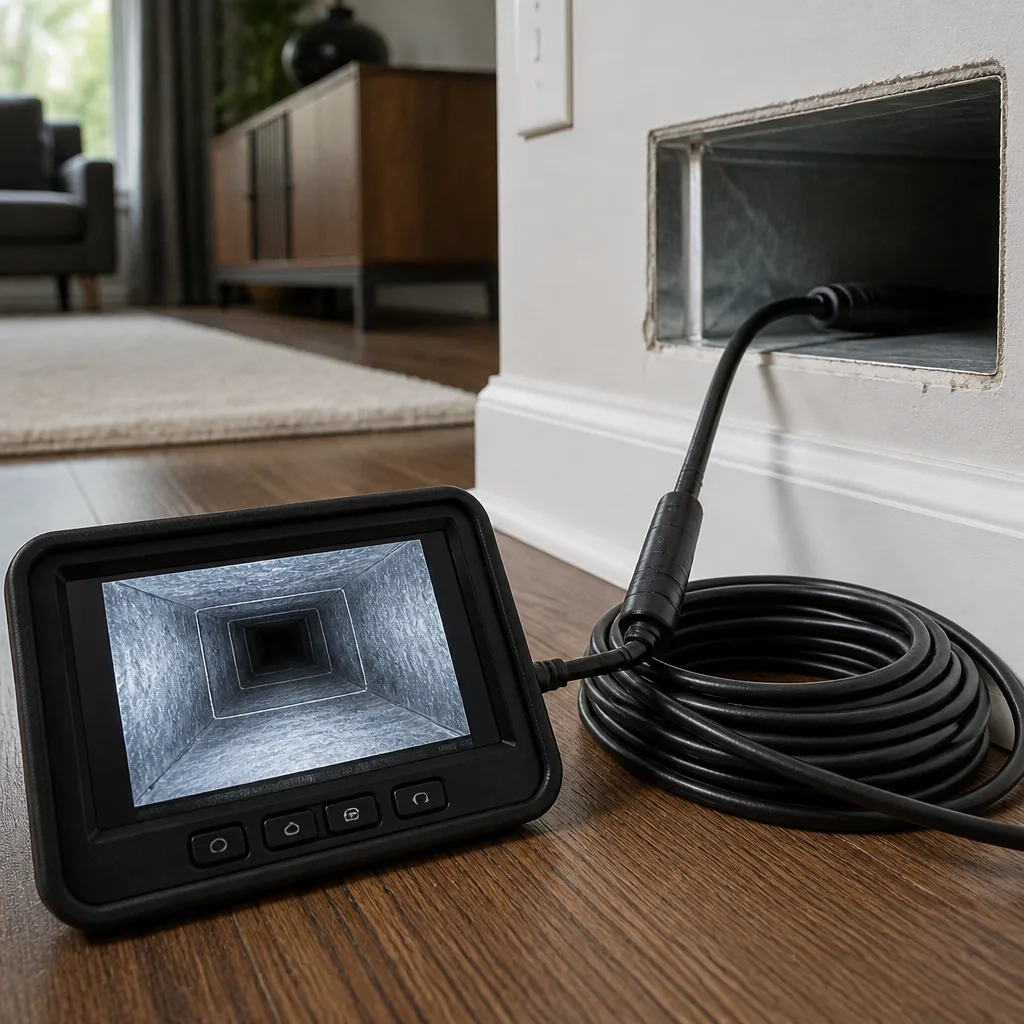 Camera inspection
 Sanitizing & deodorizing
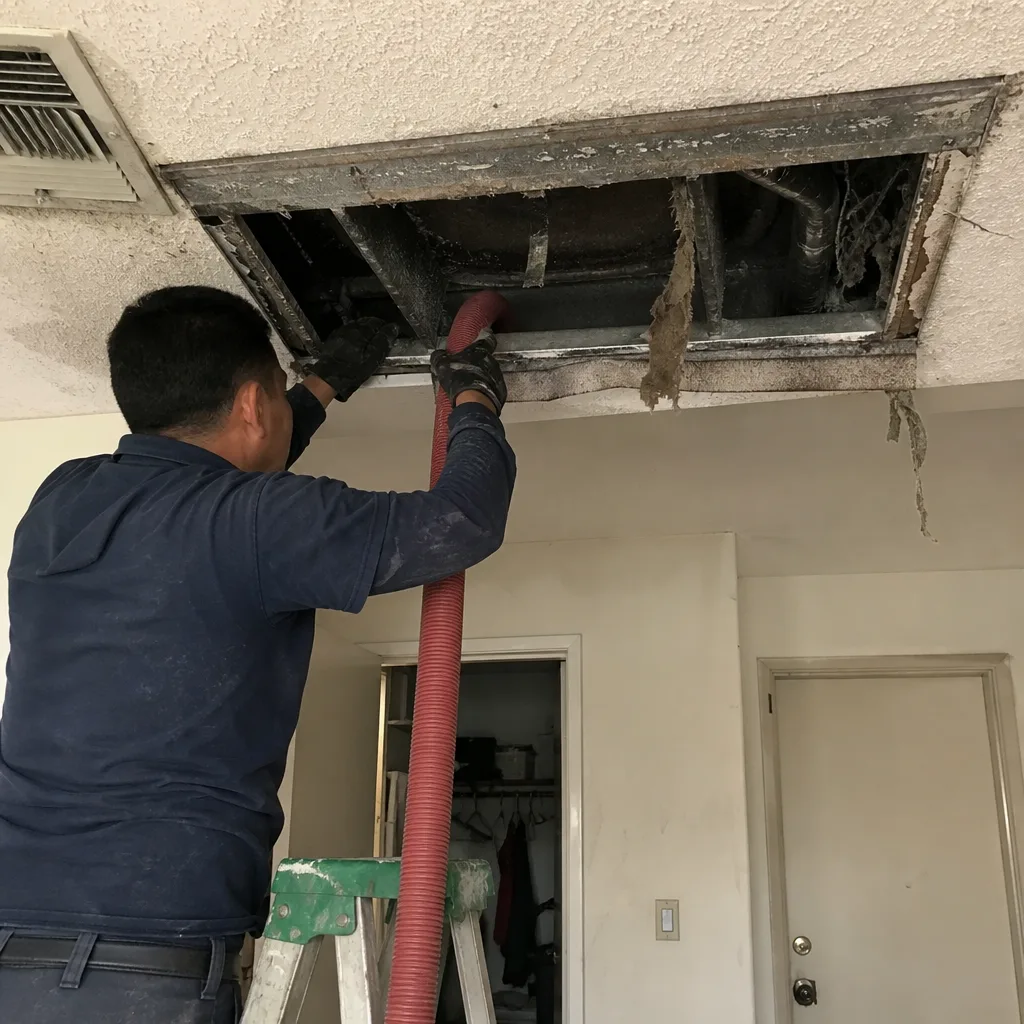
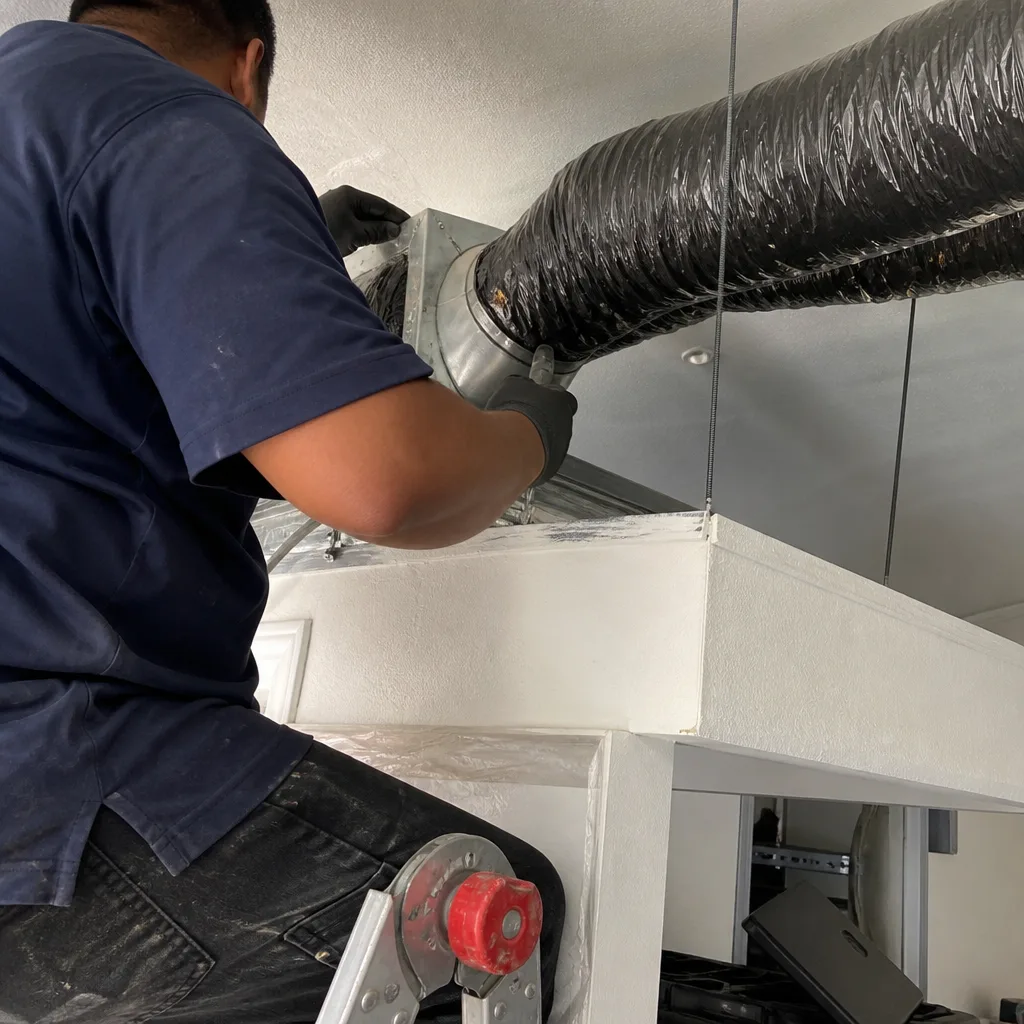
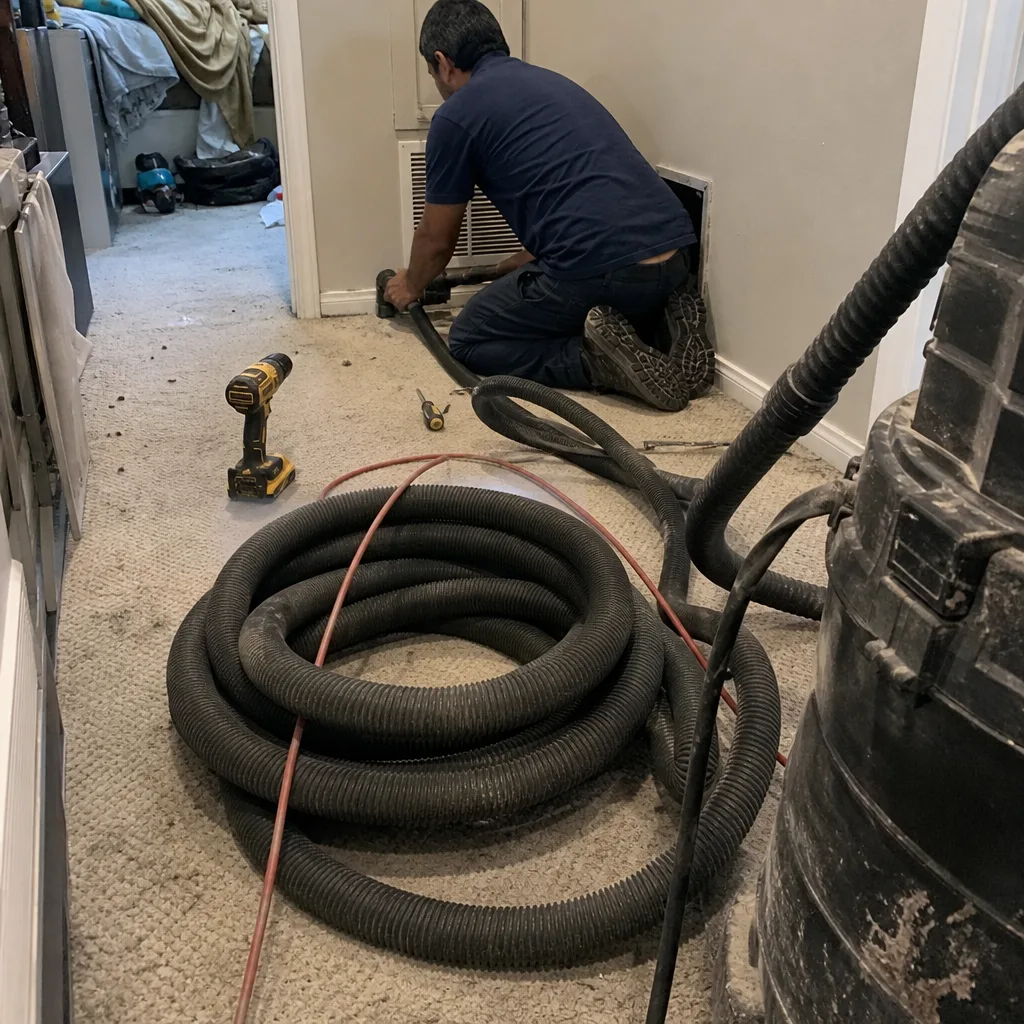
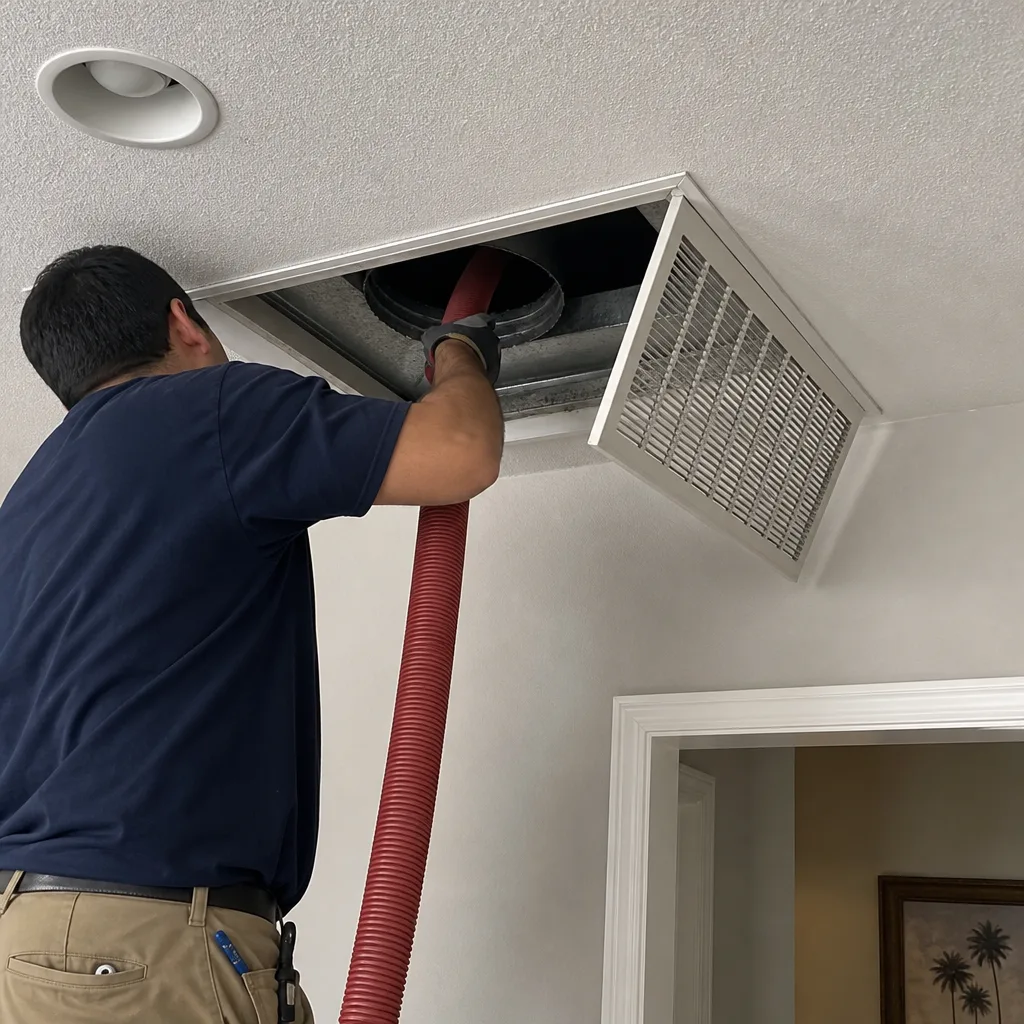
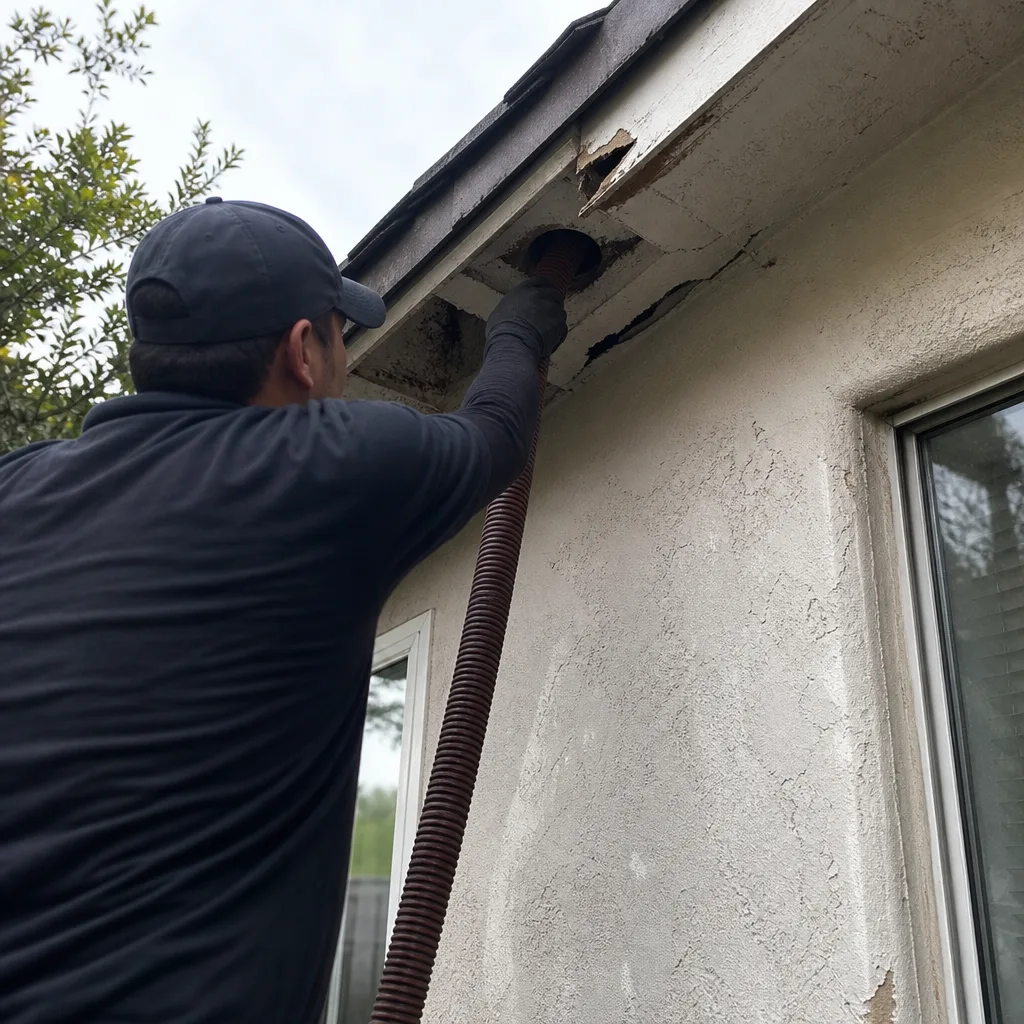
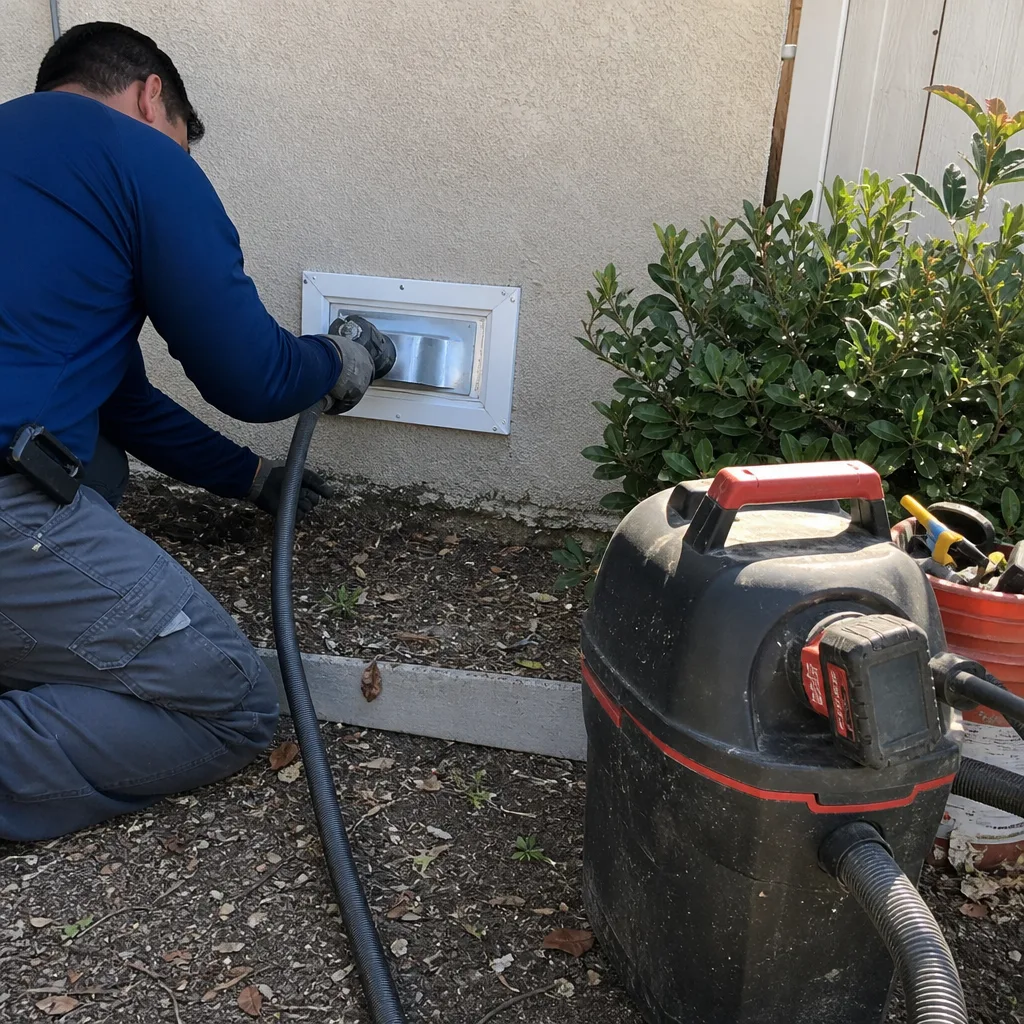
Whole-system duct and dryer vent check with before-and-after photos - you see exactly what came out of your vents
That "$99 whole-house special" is a bait ad - the real number appears once they are in your hallway, or the "clean" is a shop-vac at the register. We photograph the inside of your ducts before and after instead.
Air Duct Cleaning Maintenance Checklist for Rancho Cucamonga Homeowners
The number one reason duct cleaning doesn’t hold up between service intervals isn’t dirty outdoor air – it’s a clogged or wrong-MERV filter that backs debris into the blower and re-deposits it throughout the system. We’ve pulled apart enough Rancho Cucamonga duct systems to know that most homeowners aren’t dealing with mysterious contamination; they’re dealing with a maintenance schedule built for another climate. This guide lays out a month-by-month inspection routine tied to the actual weather events that hit the Inland Empire: Santa Ana winds, wildfire smoke drift, and 100-degree summer stretches that push AC systems to their limit. You’ll learn what to check, when to check it, and which findings mean “swap the filter” versus “call a professional.”
Styles & brands we work with
- Whole-home duct cleaning
- Dryer vent cleaning
- Camera inspection
- Sanitizing & deodorizing
Quick Answer
A practical air duct maintenance routine for Rancho Cucamonga homes runs on a seasonal calendar, not a generic 90-day cycle. Inspect your filter monthly during high-particulate months (October through February, plus any wildfire smoke event), do a flashlight-and-cloth register check every 60 days, schedule a pre-summer AC startup inspection in April or May, and book professional air duct cleaning in Rancho Cucamonga every 2 to 5 years depending on pets, renovation history, and proximity to the 210 freeway corridor or foothill canyons.
Table of Contents
- January & February: Post-Santa Ana Season Return Duct Check
- March & April: Pre-Summer AC Startup Inspection
- May & June: First Heat Wave Filter Assessment
- July & August: Peak Load Monitoring
- September & October: Wildfire Smoke and Santa Ana Prep
- November & December: Dryer Vent and Holiday Load Check
- How to Do a Basic DIY Register Inspection
- MERV Rating Guidance for Inland Empire Air
- Dirty Ducts vs. Failed Duct Sealing: Different Problems, Different Fixes
- What to Document Between Professional Cleanings
- Common Mistakes to Avoid
- When to Call a Professional
- Frequently Asked Questions
- The Bottom Line
January & February: Post-Santa Ana Season Return Duct Check
Santa Ana winds in Rancho Cucamonga don’t just rattle patio furniture. They push fine dust through window seals, door weatherstripping, and – most importantly – through any gaps in your return duct runs. After a sustained wind event, the return side of your HVAC system has likely pulled in more particulate than usual, and that material settles in the return plenum and filter housing first.
Your January-February checklist:
- Inspect the return grille: remove it and look inside the filter slot with a flashlight. Visible dust accumulation on the return plenum walls means your filter wasn’t catching everything.
- Check the return duct connections in accessible areas (garage, attic, crawlspace). Santa Ana pressure differentials can loosen tape and mastic joints over time.
- Replace the filter if it’s been in place through any wind event, regardless of its rated lifespan. Wind-driven dust loads are abrupt and heavy.
- Listen for a whistling sound from return grilles when the system runs. This often indicates a partially blocked return path or a filter that’s loaded beyond capacity.
We regularly see homes near Etiwanda and the northern foothills with heavier January dust loads than homes further south in the city, simply because the canyons channel wind more aggressively there. If your return duct shows heavy dust after the Santa Ana season, that’s a signal to move your next professional cleaning up rather than waiting another year.
March & April: Pre-Summer AC Startup Inspection
Before the first 90-degree day hits Rancho Cucamonga – and it typically arrives by late April – you want the entire HVAC path inspected. This is the single most important checkpoint on the calendar because it catches problems before the system runs continuously for four months.
How to do a pre-summer startup inspection:
- Replace the filter with a fresh one rated for the season ahead. If you’re using a MERV-8 year-round, consider upgrading to MERV-11 or MERV-13 between May and October.
- Open every register in the house. Rooms that were closed off during winter create pressure imbalances when the AC kicks on, which forces air through gaps in the ductwork and pulls attic or crawlspace air into the system.
- Run the system in cooling mode for 15 minutes. Walk the house and feel each register. Rooms that are noticeably weaker than others suggest duct leakage, a disconnected run, or a damper that’s closed.
- Check the area around the air handler for dust streaks. Dark lines forming around the cabinet seams or filter slot indicate air bypassing the filter – a common issue that sends unfiltered air across the evaporator coil.
- Sniff the supply air during those first few minutes of cooling. A musty, dirty-sock odor that fades is the evaporator coil off-gassing. If it doesn’t fade, you likely have microbial growth on the coil, which requires professional attention.
If any of these checks raise concerns, air duct repair in Rancho Cucamonga is straightforward and far less expensive in the spring than an emergency call in August. We repair what we find – disconnected runs, crushed flex duct, failed taped joints – because a duct system with leaks will undo every filter improvement you make.
May & June: First Heat Wave Filter Assessment
When temperatures climb into the high 90s, your system runs longer cycles, and longer cycles mean more air passing through the filter. A filter that was fine in March may be visibly loaded by mid-June, especially if you live near a construction site, a major road like Haven Avenue or Baseline Road, or any area with high foot and vehicle traffic.
What to look for in the first heat wave:
- Check the filter after 30 days of run time, not 90. If you can see a visible gray or brown film across the pleats, replace it.
- Monitor for temperature differentials between rooms. A 3 – 4 degree difference between upstairs and downstairs is normal in two-story Rancho Cucamonga homes. A 10-degree difference is usually ductwork, not your AC unit.
- Watch for condensation on registers in humid weeks. Inland Empire humidity spikes are brief but intense, and sweating registers can signal insufficient insulation around the register boot in the attic.
- Note any increase in dust settling on furniture within 2 – 3 days of cleaning. That’s often a sign that supply ducts are shedding debris – not household dust, but material coming out of the system.
We’ve worked on systems in Rancho Cucamonga where the first heat wave of the year is the canary in the coal mine. Homeowners who catch a breathing problem in June are the ones who still have cold air in August. The ones who wait until the system fails are the ones calling us for emergency service during a 105-degree week.
July & August: Peak Load Monitoring
By July, your HVAC system in Rancho Cucamonga is running 8 to 12 hours a day. This is when duct problems compound fastest: a small leak in a supply run that was negligible in March becomes a significant pressure loss when the system runs continuously. A coil that was mildly dirty in May becomes a frozen block by August.
Peak load checklist:
- Feel the air temperature at the supply register closest to the air handler and the one furthest from it. More than a 5-degree temperature rise between the two suggests the air is picking up heat in the attic – usually from uninsulated or poorly sealed ductwork.
- Check the outdoor condenser unit. If it’s cycling on and off rapidly (short-cycling), that’s often a system response to a restricted filter or a blower working against a clogged coil – not just a condenser problem.
- Open the filter slot while the system is running and feel for suction. Weak suction means the blower is starved for return air, which causes it to work harder and run hotter. Starved blowers fail earlier – it’s one of the most common mid-summer failures we hear about.
- Run a white cloth test: hold a clean white cloth over a supply register for 30 seconds while the system runs. If it comes away with visible gray or black deposits, those are coming from inside your ducts.
If you’re seeing any of these signs, don’t wait for September. A system running under stress all summer is expensive to keep running: it draws more power, delivers less cooling, and accelerates wear on the blower motor, the compressor, and the heat exchanger. Sometimes the fix is a professional cleaning; sometimes it’s sealing or repair. In either case, it’s cheaper in July than it will be in August.
September & October: Wildfire Smoke and Santa Ana Prep
Rancho Cucamonga sits in a geography that collects smoke from fires in the San Bernardino National Forest, the Angeles National Forest, and – in bad years – from as far away as the Sierra foothills. Wildfire smoke is fine enough to bypass a MERV-8 filter, which means it doesn’t just load your filter; it passes through to the evaporator coil, the blower, and the supply ducts.
Wildfire and pre-Santa Ana checklist:
- If there’s been a smoke event within 50 miles of Rancho Cucamonga, replace your filter immediately after the air clears – even if it’s only been in place for two weeks. The filter media is loaded with fine particulate; it’s done its job and it will now restrict airflow.
- Inspect the return grilles visually after a smoke event. If they show a gray-brown smear, the return ducts have pulled in smoke and will re-circulate the odor until the duct interior is professionally cleaned.
- Before Santa Ana season (typically October through January), walk the perimeter of your house and check the outdoor air intake if your system has one. Loose vent covers or missing screens let wind-driven debris enter directly.
- Consider running your system fan in “ON” mode during smoke events. This keeps air moving through the filter continuously, which reduces the amount of smoke-laden air that settles in the ducts. However, this also means your filter loads faster – check it weekly during active smoke conditions.
Timberline Air Duct Cleaning has worked with homeowners throughout Rancho Cucamonga after significant smoke seasons, and the pattern is consistent: systems with fresh MERV-11 or better filters at the start of a smoke event come through with clean coils, while systems running old MERV-8 filters show heavy coil loading and duct residue that takes professional-grade Rotobrush rotary brush equipment to clear. The filter decision you make in September determines whether you need a full cleaning in November.
November & December: Dryer Vent and Holiday Load Check
November is the right time to inspect your dryer vent in Rancho Cucamonga, and not because of the holidays. It’s because fall is when dryer use increases – heavier clothing, more blankets, more loads per week – and a vent that was marginally functional all summer becomes a fire risk when the dryer is working twice as hard. Lint is combustible, and a restricted vent traps that fuel in a hot, dry exhaust path.
Why the dryer vent belongs on your duct maintenance checklist:
- A restricted dryer vent makes your dryer run longer, which adds lint to the exhaust path faster. It’s a self-accelerating problem.
- Rancho Cucamonga’s dry fall air makes lint especially fluffy and prone to static-cling accumulation inside the exhaust pipe.
- If your dryer vent run is long – common in Rancho Cucamonga homes where the laundry room is centrally located and the exhaust must travel 15 feet or more to the exterior – professional cleaning is the only way to clear the full run.
Your dryer vent is a fire risk. We treat it that way. Dryer vent cleaning in Rancho Cucamonga should happen at least annually for most households, and every six months if you dry more than five loads a week or have a long vent run. This is the one duct-system service we recommend on a hard schedule, because the consequence of skipping it isn’t reduced efficiency – it’s a house fire.
How to Do a Basic DIY Register Inspection
Between professional cleanings, a flashlight-and-white-cloth register inspection is the most useful diagnostic you can run. It takes ten minutes and tells you more about your duct condition than any amount of guesswork. Do this every 60 days, and any time you notice unusual dust, odor, or airflow behavior.
What you’ll need
- A bright flashlight
- A clean white cloth or paper towel
- A screwdriver (for removing register covers)
Step-by-step inspection
- Turn the HVAC fan to “ON” at the thermostat so air moves through the system without heating or cooling. You want airflow, not temperature.
- Remove the register cover from one supply register in the main living area. Shine the flashlight into the register boot – the metal box behind the grille. Look for dust accumulation, debris, insect casings, or visible mold.
- Hold the white cloth across the open register for 30 seconds while the fan runs. If the cloth comes away with visible gray, brown, or black deposits, those particles are coming from inside your supply ducts.
- Repeat the process at one register in each bedroom, paying special attention to rooms that feel stuffier or dustier than others.
- Check one return grille the same way, but instead of holding a cloth, look carefully at the filter. If the filter is bowed inward, it’s clogged. If dust bypasses the filter edges, the filter is not sealing in its slot.
- Replace all register covers securely. A loose register cover allows air to leak into the wall cavity and pull dust back into the room when the system cycles off.
What the results mean
- Clean cloth, no visible dust in the boot: Your ducts are in good shape. Continue your normal maintenance schedule.
- Light dust on the cloth, minor dust in the boot: Normal for a system that hasn’t been cleaned in several years. Schedule a professional cleaning when convenient.
- Heavy gray or black deposits on the cloth: Your ducts are actively shedding debris. Professional cleaning is warranted.
- Visible mold, musty odor, or insect activity: Call a professional promptly. These are not issues that improve on their own.
In our experience, homeowners who run this inspection regularly catch problems a year or two before they become expensive. The register is the window into your duct system, and ten minutes every 60 days is a small investment for early detection.
MERV Rating Guidance for Inland Empire Air
The MERV (Minimum Efficiency Reporting Value) rating on a filter tells you what particle sizes it captures. Higher numbers capture finer particles, but they also restrict airflow more, which is why slapping a MERV-16 filter into a system designed for MERV-8 can reduce airflow enough to freeze a coil. The right answer for most Rancho Cucamonga homes is not “the highest MERV available” – it’s the highest MERV your system can handle without measurable airflow reduction.
Practical MERV guidance for Rancho Cucamonga homeowners
| Season / Condition | Recommended MERV | Rationale |
|---|---|---|
| Normal operation, no pets, no allergy concerns | MERV-8 | Adequate for large particulate; minimizes airflow restriction |
| Wildfire smoke events or Santa Ana wind season (Oct – Feb) | MERV-11 or MERV-13 | Captures fine smoke particles that MERV-8 lets through |
| Homes with pets, multiple occupants, or allergy sufferers | MERV-11 year-round | Balanced filtration without excessive static pressure |
| Post-renovation or construction dust period | MERV-11, replaced every 2 weeks during active dust | Construction dust loads filters quickly; change more often, not higher MERV |
| Medical-grade air quality need (immune-compromised occupants) | MERV-13 or higher, only with HVAC professional confirmation | High-MERV filters require the system to be tested for adequate airflow |
One clarification that matters: a MERV-8 filter is the floor, not the ceiling, for Inland Empire air. Between the 210 freeway corridor, the freight rail line through the city, and seasonal smoke from the San Bernardino and Angeles National Forests, Rancho Cucamonga air carries more fine particulate than the national average. Most homes benefit from MERV-11 during the months when windows are closed and the system runs constantly.
If you’re considering an upgrade, note that higher MERV ratings require more frequent changes. A MERV-13 filter in smoke season may need replacement every 30 days, not every 90. A clogged high-MERV filter is worse than a clean low-MERV filter – it restricts airflow, starves the blower, and may cause the system to pull unfiltered air around the filter frame.
Honeywell manufactures a broad range of MERV-rated filters and media cabinets, and in some homes we work in, a 4-inch Honeywell media filter cabinet provides better filtration with less airflow restriction than a 1-inch filter. It’s an upgrade worth discussing with an HVAC professional if you’re looking to move from MERV-8 to MERV-11 or higher without choking your system.
Dirty Ducts vs. Failed Duct Sealing: Different Problems, Different Fixes
Homeowners in Rancho Cucamonga often conflate dirty ducts with leaking ducts, which leads to spending on the wrong fix. They’re different conditions with different symptoms and different solutions, and treating one as the other is a waste of money.
Signs your ducts are dirty
- Visible dust accumulation on registers, register boots, or nearby walls
- Gray or black deposits on the white cloth test described above
- Dust settling on furniture within days of cleaning the house
- Musty odor from supply registers when the fan runs
- Evidence of insect or rodent activity in the ductwork (droppings, nesting material)
The fix: Professional air duct cleaning in Rancho Cucamonga with rotary brush equipment that agitates debris loose and negative-air containment that removes it from the system. At Timberline, we run a Rotobrush rotary brush system and Abatement Technologies negative-air containment on every job, which means the debris we dislodge is captured and removed, not blown through the house.
Signs of duct sealing failure
- Rooms that stay 8 – 10 degrees warmer or cooler than the rest of the house
- Weak airflow from specific registers while others blow strong
- Higher-than-expected cooling bills despite normal equipment operation
- Pressure imbalances that cause doors to drift open or closed on their own
- Hot or cold spots in the house that persist even after the system runs for extended periods
The fix: Duct sealing or repair of the actual leaks – disconnected runs, crushed flex, failed tape at joints, or panned returns that have come loose. These are mechanical issues, not cleaning issues. A duct cleaning will not fix a leak, and duct sealing will not clean dirty duct interiors. In many cases, homes need both, which is why air duct repair in Rancho Cucamonga is part of our scope. We find the problem during cleaning, and we repair what we find – the system gets cleaned and sealed in a single visit, rather than leaving a mechanical failure in place and calling the job done.
What to Document Between Professional Cleanings
The most useful thing a homeowner can hand a duct cleaning technician is a simple log of observations between professional service visits. Not an elaborate spreadsheet – a note on the calendar or a page in a notebook captures 90% of the value. When we arrive at a home with a written history, we can diagnose faster and more accurately.
What to record
- Filter changes: Date, brand, and MERV rating each time you replace the filter. This tells us how quickly your system loads particulate and whether your filter choice is appropriate for your home.
- Unusual odors: Date and description of any musty, burning, or chemical smell from the registers, with context (first AC startup of the year, during smoke event, after pest treatment, etc.).
- Airflow changes: When you notice a room getting weaker or a register blowing stronger, note the date. Airflow changes rarely correct themselves, and the timing helps us correlate with other events.
- Dust patterns: If you notice increased dust in a particular room or a particular time of year, write it down. Some Rancho Cucamonga homes have seasonal dust patterns tied to wind direction.
- Renovation or construction: Dates of any work done in the home, including painting, flooring, drywall, or insulation. Construction dust persists in duct systems for months after the work is done.
- Pest activity: Any sign of rodents, cockroaches, or other pests in the attic, crawlspace, or near the HVAC equipment.
- Equipment service: Dates of any HVAC maintenance, compressor work, or coil cleaning, so we have a complete picture of the system’s history.
This documentation gives your technician a diagnostic head start. A homeowner who can say “the musty smell started in March, right after a heavy rain, and it’s worse in the upstairs bedrooms” has already narrowed the problem to a specific window and location. That’s better than a vague “the house smells sometimes.”
Common Mistakes to Avoid
- Using the cheapest 1-inch fiberglass filter you can find. These capture only the largest particles and let the fines through to load the coil and ducts. In Rancho Cucamonga’s dusty climate, a too-cheap filter means you’ll pay for a more expensive cleaning sooner.
- Changing to a high-MERV filter without checking whether the system can handle it. A MERV-13 filter in a system not designed for it restricts airflow, freezes the coil, and can damage the compressor. Check with an HVAC professional before making a large MERV jump.
- Closing registers in unused rooms to “save energy.” This raises static pressure in the duct system, which increases leakage and can push air into wall cavities and the attic. Keep all registers open and adjust the thermostat instead.
- Ignoring the dryer vent because “it still dries the clothes.” A restricted vent can work for months while building up lint against the exhaust path. The fire risk is present long before the drying time increases noticeably.
- Waiting until August to address an airflow problem you noticed in May. Peak summer is the worst time to schedule any HVAC or duct work in Rancho Cucamonga – both for scheduling availability and for the strain of running a failing system in extreme heat. Spring is the right time for repairs.
- Hiring a bargain duct cleaner based on a coupon price without knowing the equipment they use. Wand-only or brush-only cleaning without negative-air containment can dislodge debris and leave it recirculating through your home. Ask what equipment they use before you book.
- Assuming that because you changed the filter, the ducts are clean. The filter protects the equipment, not the ducts. Material that bypassed a dirty or poorly-seated filter is already in the supply side, and the filter change won’t remove it.
When to Call a Professional
Some duct problems are visible, straightforward, and fixable with a filter swap. Others require equipment and expertise you can’t replicate at home. Call a professional if you see gray or black deposits streaming from supply registers, if you’ve had a wildfire smoke event and the smoke smell persists in the ducts after changing the filter, if you find visible mold or pest evidence in the register boots, if rooms in your home differ by more than 5 – 6 degrees, or if your dryer takes more than one cycle to dry a normal load. Timberline Air Duct Cleaning offers free estimates in Rancho Cucamonga – call (877) 265-9115 and we’ll inspect your system and tell you exactly what we recommend, whether or not that means booking a cleaning.
Frequently Asked Questions
Most Rancho Cucamonga homes need professional air duct cleaning every 2 to 5 years. Homes with pets, recent renovation, or proximity to the 210 freeway or major fire corridors trend toward the shorter end of that range. If you run the DIY register inspection described above and see heavy deposits on the white cloth test, schedule regardless of the calendar.
Air duct cleaning in Rancho Cucamonga typically costs $350 – $650 for a complete system in an average 1,800 – 2,400 sq ft home, depending on the number of supply runs, the condition of the system, and whether dryer vent cleaning or duct repair is included. Be suspicious of quotes far below that range – they usually involve wand-only cleaning without containment or a bait-and-switch upsell model. We quote one flat price per system before work starts; the price we quote is the price you pay.
Use MERV-8 as the floor year-round, and upgrade to MERV-11 or MERV-13 during wildfire smoke events and Santa Ana wind season. Homes with pets or allergy-sensitive occupants do well with MERV-11 year-round. Before jumping above MERV-11, confirm your system can handle the added airflow restriction with an HVAC professional. For more detailed guidance, see the MERV rating section above.
Cheaper quotes usually mean cheaper equipment. A wand-and-vacuum setup without rotary agitation can’t remove debris that’s adhered to the duct walls, and without negative-air containment, whatever gets dislodged can end up recirculating through your living space. Professional-grade rotary brush systems like Rotobrush and Nikro, combined with containment equipment from brands like Abatement Technologies, cost more to run – and they return a result that holds up. Ask any company what equipment they’re using before you book, and walk away if the answer is vague.
Ask for before-and-after photos of your own duct interiors. A legitimate professional cleaning company will document the inside of the ducts with a camera or borescope before starting and after finishing. You should see the difference, and you should see debris removed from the system. If a company won’t show you photos or can’t tell you how much material was removed, you didn’t get a real cleaning. We photograph every job and review the results with the homeowner before we leave.
Dryer vents should be cleaned at least once a year in Rancho Cucamonga, and every six months for households that run five or more loads a week or have a long vent run to the exterior. Dryer vent cleaning is a fire-prevention service, not an efficiency nicety. Lint is combustible, and the combination of a restricted vent and a hot exhaust path is the leading cause of dryer-related house fires in the United States. Call (877) 265-9115 to schedule a dryer vent inspection and cleaning – it’s the most important safety check on this entire checklist.
Yes, when done with proper equipment and when the ducts are actually dirty. Professional duct cleaning with rotary brush agitation and negative-air containment removes accumulated dust, pet dander, pollen, and debris from the supply and return sides of the system, which reduces the particulate load recirculating through your living space. It’s not a magic fix for all indoor air issues – filtration, source control, and ventilation matter too – but cleaning a genuinely dirty duct system produces a measurable improvement. If you’d like to know whether your ducts are dirty enough to warrant cleaning, the DIY register inspection above will tell you in ten minutes.
The Bottom Line
Duct maintenance in Rancho Cucamonga runs on a seasonal calendar, not a generic checklist. Santa Ana winds load the return side with fine dust; heat waves stress a system that’s been running continuously for months; wildfire smoke demands a filter upgrade and a post-event inspection. The homeowners who stay ahead of these rhythms are the ones who get 5, 10, or 15 years out of an HVAC system without a catastrophic summer failure. The ones who wait until they notice a problem are the ones paying emergency call-out rates in August. Run the monthly checks, keep your filter fresh, document what you observe, and call a professional when the signs point to real contamination or mechanical failure. Check the Timberline Air Duct Cleaning home page to understand our equipment and process, or call (877) 265-9115 for a free estimate on cleaning, repair, or dryer vent service anywhere in Rancho Cucamonga.
Written by the team at Timberline Air Duct Cleaning, serving Rancho Cucamonga since 2014.
See the difference
 Before
 After
 Before
 After
 Before
 After